Berlin DTVP/DTG plugfest report October 2026
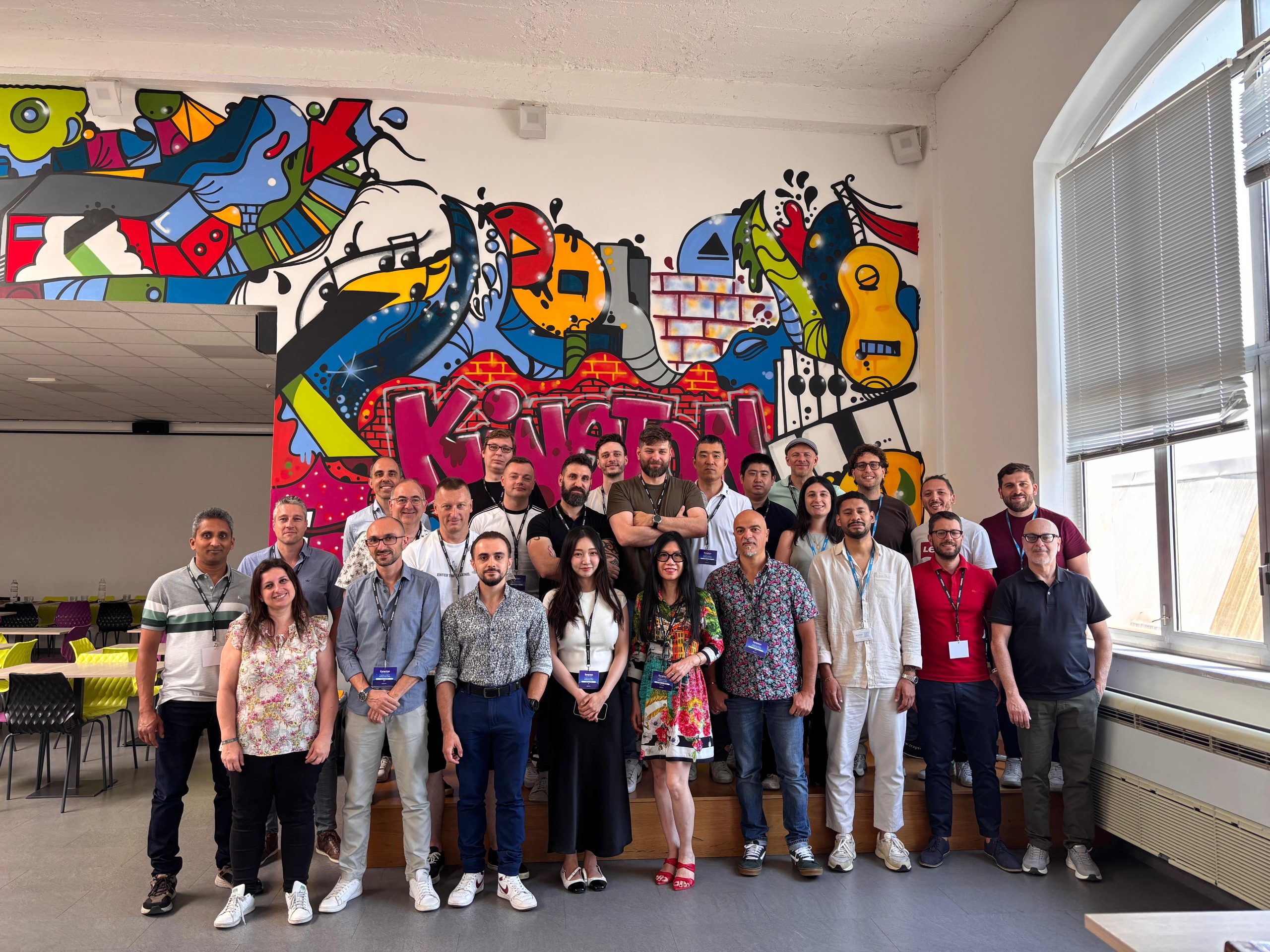
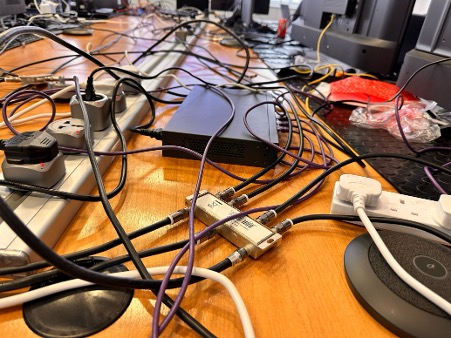
Three days of intensive interoperability testing, technical exchange and collaboration marked the 17th annual DTVP Plugfest and HbbTV Testing Event, hosted by Fraunhofer FOKUS in Berlin, 12-16 October 2026.
Organised by the Deutsche TV-Plattform (DTVP) and the Digital TV Group (DTG) in cooperation with the HbbTV Association, the event brought together more than 60 participants from 30 companies. Almost 200 test cases were conducted across a wide range of devices, applications, services and technologies.
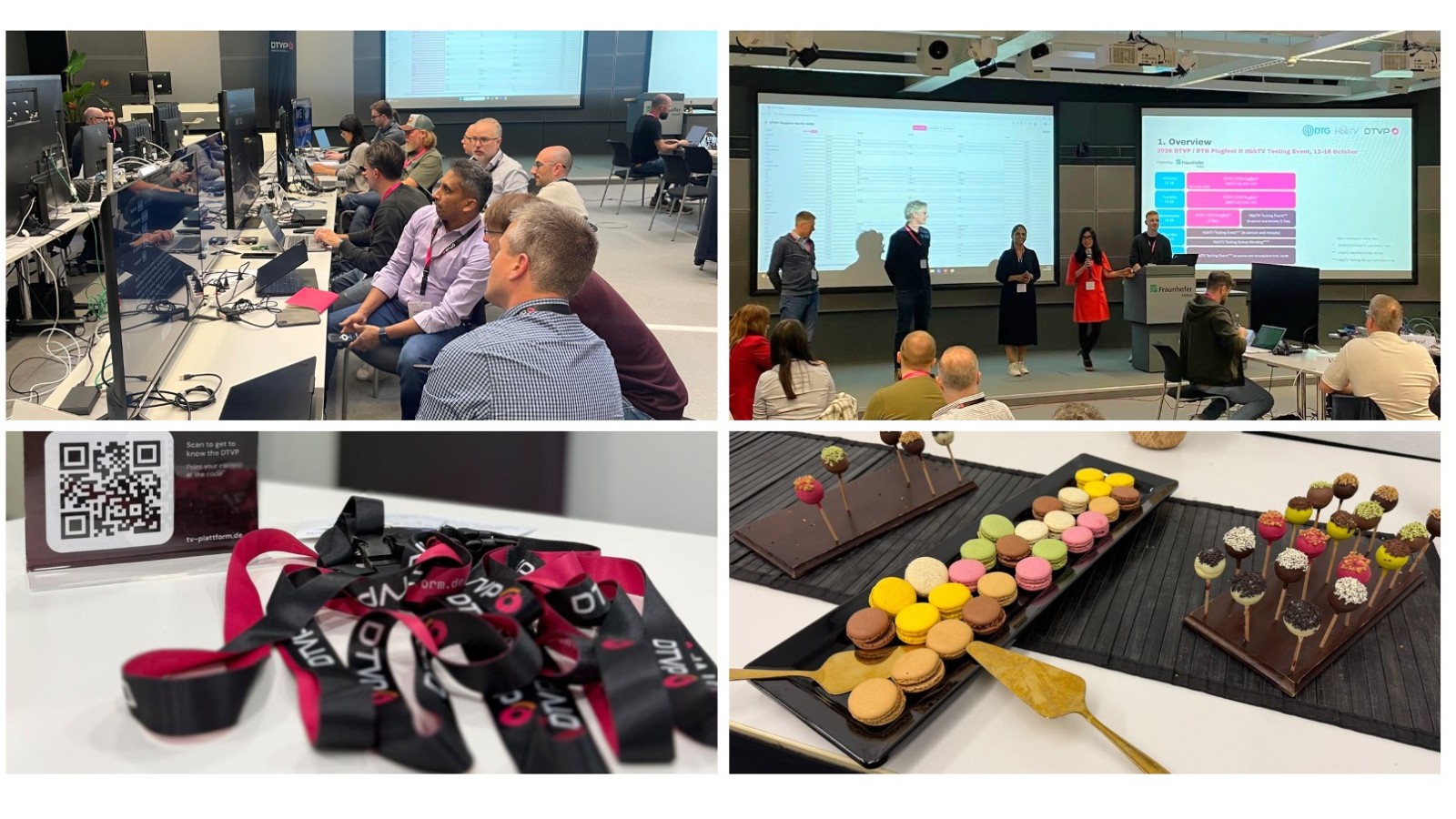
This Plugfest was an excellent opportunity for content, service and technology providers to test their implementations against more than 10 TV sets, and other devices, from different manufacturers. At the same time, device manufacturers were able to evaluate real-world services and applications, identify interoperability issues and gain insights into technologies and use cases that are becoming increasingly relevant for the market, e.g. following the launch of DVB-I. DTVP´s new test scheduling system this year was a notable improvement in the planning and execution of the event.
HbbTV and IP-based services
The technical scope covered a broad range of HbbTV applications and IP-based media services. Testing included low-latency playback, Multiperiod DASH streams, CTA WAVE test cases, C2PA content-provenance scenarios, NGA and application/device interoperability.
Emerging browser capabilities were another area of interest, these included but were not limited to Network Information/Timing API, WebCodecs, WebTransport and WebAssembly, e.g. as a basis for experiments with Media over QUIC (MoQ). Testing showed encouraging availability of these capabilities across the tested devices, providing useful insights for future IP-based media delivery scenarios.
Single and Multiperiod DASH testing with DRM variants was also evaluated. The results provided useful insights for applications such as Server-Side Ad Substitution and demonstrated improved interoperability across different implementations.
DVB-I implementations continue to progress
DVB-I was another major focus of this year’s Plugfest. An increased number of DVB-I-enabled TV sets compared with previous events, together with service lists provided by various service providers and a dedicated DVB-I test suite, reflected the growing relevance and the importance of validating implementations against its specification.
The tests covered the complete DVB-I user journey, including service list installation and updates, service discovery, service instance prioritization, deep linking, metadata, presentation of service logos, Logical Channel Numbers (LCNs), regionalization and interoperability between different service providers and TV implementations. Many tests from the German DVB-I Test Cases service list could be executed.
The DVB-I functionality in connection with HbbTV was part of various test scenarios, including linked HbbTV applications. Furthermore, accessibility formed an important component of DVB-I testing. Test cases covered subtitles, audio description, dialogue enhancement, sign language and filtering of accessible services. The results provided valuable feedback on both interoperability and the presentation of accessibility features. The usability for users - especially those without visual assistance - still leaves room for improvement on many devices.
Overall, results showed that DVB-I implementations are progressing. Basic and several advanced features are working well across multiple devices, with HbbTV being an important component of the implementations. At the same time, differences between implementations remain in areas such as service list handling, server-side regionalization by postcode and some aspects of the user experience. Systematic, specification-based DVB-I conformance testing will be essential to addressing these differences, improving product quality and interoperability, and building confidence in market readiness as DVB-I services evolve.
HDMI and advanced audio/video formats
A further major area of Plugfest testing was again interoperability between external HDMI devices and TV sets. Test scenarios included UHD and HDR formats, Dolby Vision and Dolby Atmos, eARC, HDCP, HDMI-CEC and different combinations of audio and video configurations.
Beyond the testing itself, the event once again provided an important forum for informal technical exchange between broadcasters, platform and service providers, device manufacturers and technology companies. A well-attended get-together on Tuesday evening offered an additional opportunity for participants to continue discussions and exchange experiences.
A big thank you goes to the team at Fraunhofer FOKUS for their hospitality, excellent organisation and outstanding support throughout the event.
Collaboration remains key
Stefan Kunz, Head of the Deutsche TV-Plattform Ultra HD Working Group, summarised his experience:
“The Plugfest was great fun again this year. It remains impressive to see the precision with which the participating companies work on the interoperability of their devices and conduct their tests. At the same time, it is exciting to see how many new insights continue to emerge even at an already highly advanced stage of technological development.”
Frank Heineberg, Head of the Deutsche TV-Plattform Media over IP Working Group, highlighted the importance of interoperability testing:
“The high level of participation once again confirms that interoperability testing is essential for the industry, particularly when introducing new technologies and platforms. We’re pleased to provide this platform once again in cooperation with the DTG and the HbbTV Association.”
Ranjeet Kaur, Programme Director at the Digital TV Group (DTG), added:
“Interoperability is fundamental to a reliable, seamless TV experience. The DTVP–DTG Joint Plugfest, held in cooperation with HbbTV, brings engineering teams together to test how devices, content and apps work together, address practical challenges and share expertise. The excellent turnout demonstrates the industry’s commitment to getting this right for viewers. Since 2014, the DTG and DTVP have worked together towards this shared goal, creating opportunities for engineers to turn collaboration into technical progress.”