DVB World 2025: The future of HbbTV and DVB-I in the media landscape
The DVB World 2025 conference, held in Munich on 18-19 March, brought together key stakeholders from the broadcasting and media industry to discuss the evolving landscape of television and streaming. Among the major topics of discussion were the DVB-I and HbbTV standards, which are set to play significant roles in shaping the future of media delivery.
DVB-I: Bridging broadcast and streaming
DVB-I was at the heart of many discussions at the conference, with industry leaders recognising its potential to combine traditional broadcasting with modern streaming. DVB Project Chair Remo Vogel (ARD/rbb) set the tone for the event by acknowledging that “streaming is becoming a candidate to replace broadcasting.” DVB-I has emerged as a crucial response to this shift, offering a seamless blend of broadcast and internet-delivered content, ensuring a more integrated and user-friendly viewing experience.
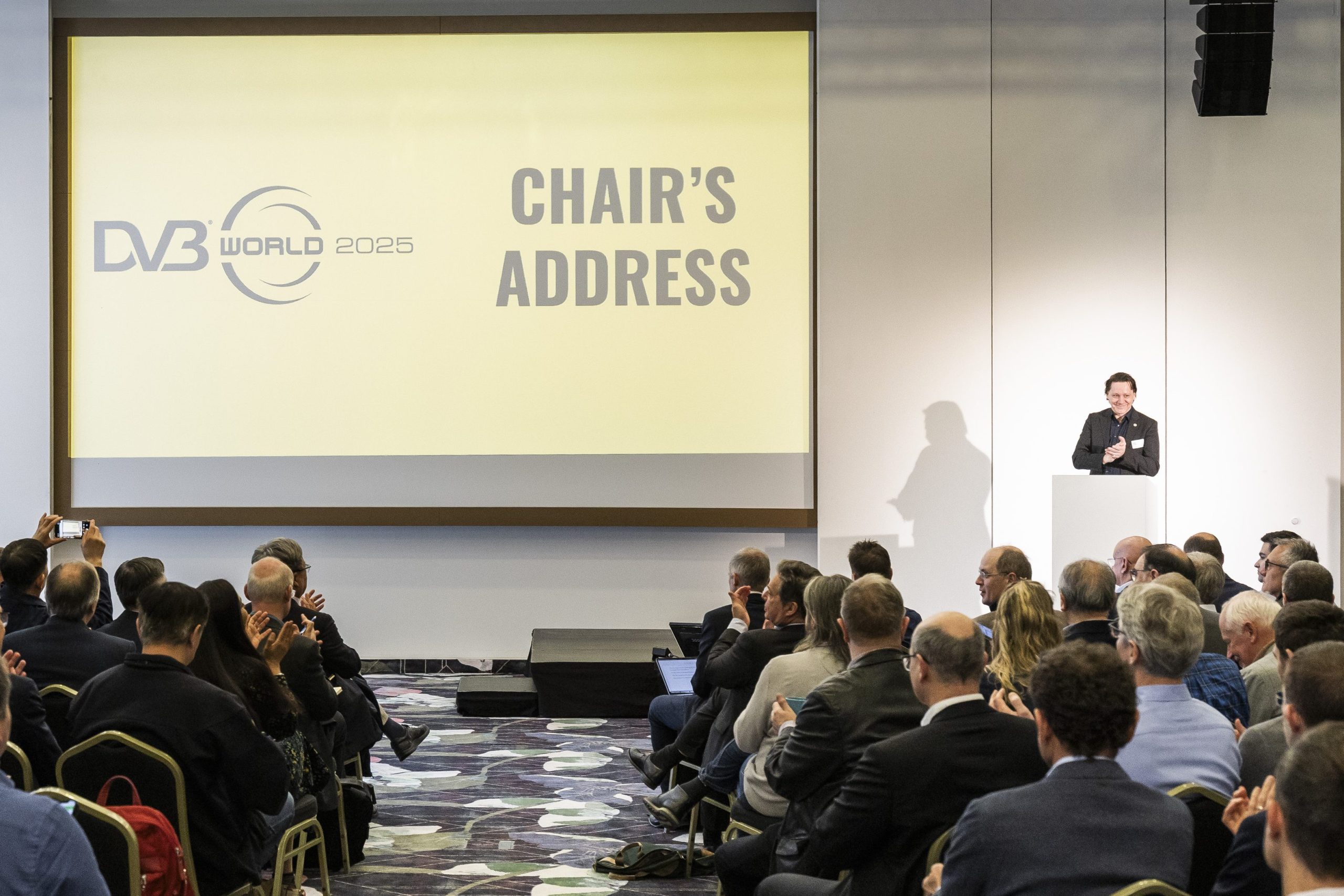
DVB Project Chair Remo Vogel
One of the key takeaways was the growing number of DVB-I test deployments and pilot projects worldwide, including initiatives in Italy, Germany and Ireland with Australia planning a trial. The standard allows broadcasters to create channel lists that integrate both broadcast and IP-delivered content, improving content discovery and user engagement. At the exhibition area, Astra satellite operator SES showcased a DVB-I demo, providing regionalised channel lists via satellite with seamless transition between DVB and OTT services.
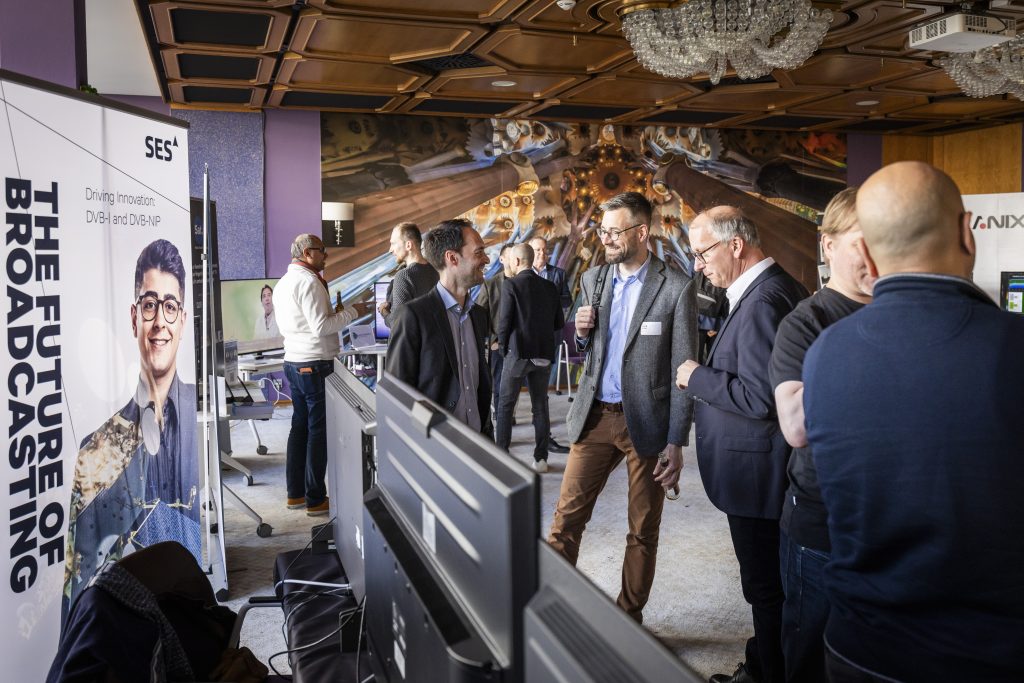
SES exhibition stand
A notable development was the strong interest shown by a Chinese delegation in the DVB-I standard, indicating potential future adoption in the region.
HbbTV: Enhancing the viewing experience
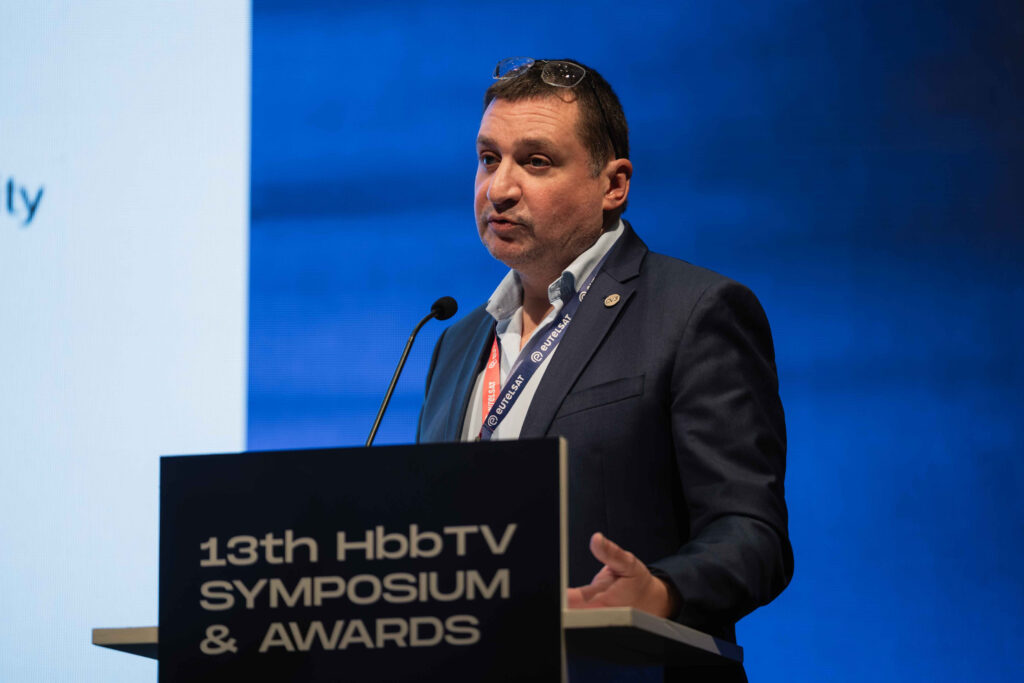
HbbTV was another focal point, with HbbTV Chair Vincent Grivet predicting further convergence between TV and streaming services, stating that “the difference will not be between broadcasters and streaming services in future, but between local and global players.” HbbTV plays a crucial role in enhancing the hybrid experience by providing a familiar interface for users accessing broadcaster VOD (BVOD) services and interactive features offering an enhanced viewing experience.
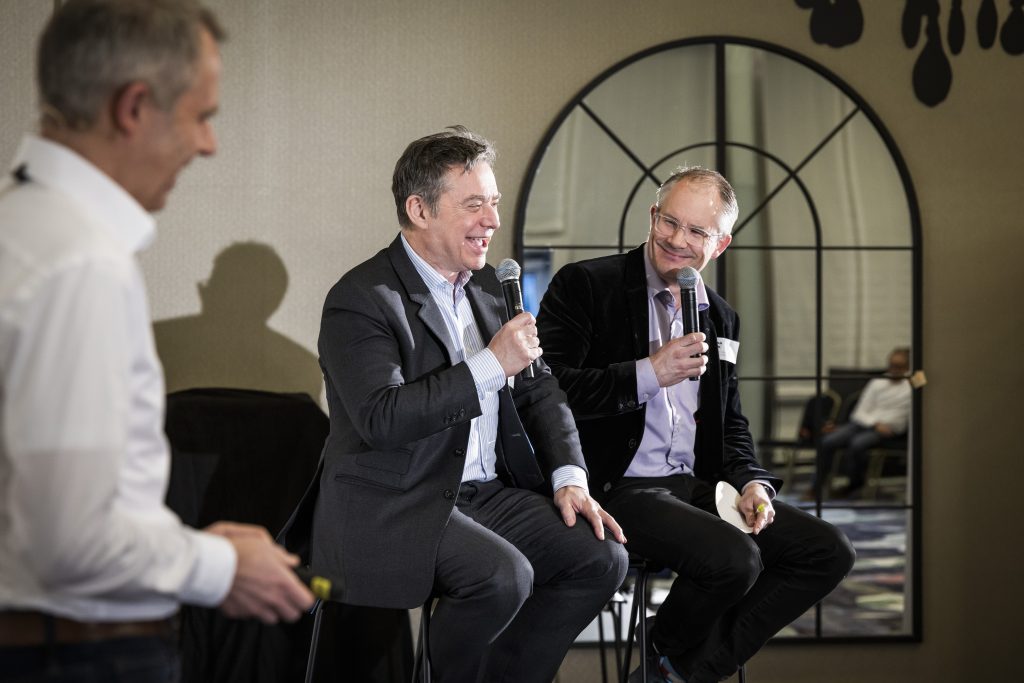
HbbTV Chair Vincent Grivet
BVOD is experiencing remarkable growth, projected to increase from €4 billion in 2024 to €8 billion by 2029, reflecting a 15% annual growth rate, according to Ophélie Boucaud (Dataxis). This trend is vital for broadcasters, as their revenues are expected to remain stable or even increase thanks to a combination of public funding, advertising revenue, and the booming BVOD sector. In many European markets, BVOD services are powered by HbbTV, whether through the classic ‘red button’ functionality or more advanced implementations such as Freely, the UK’s new TV platform based on the HbbTV Operator Application.
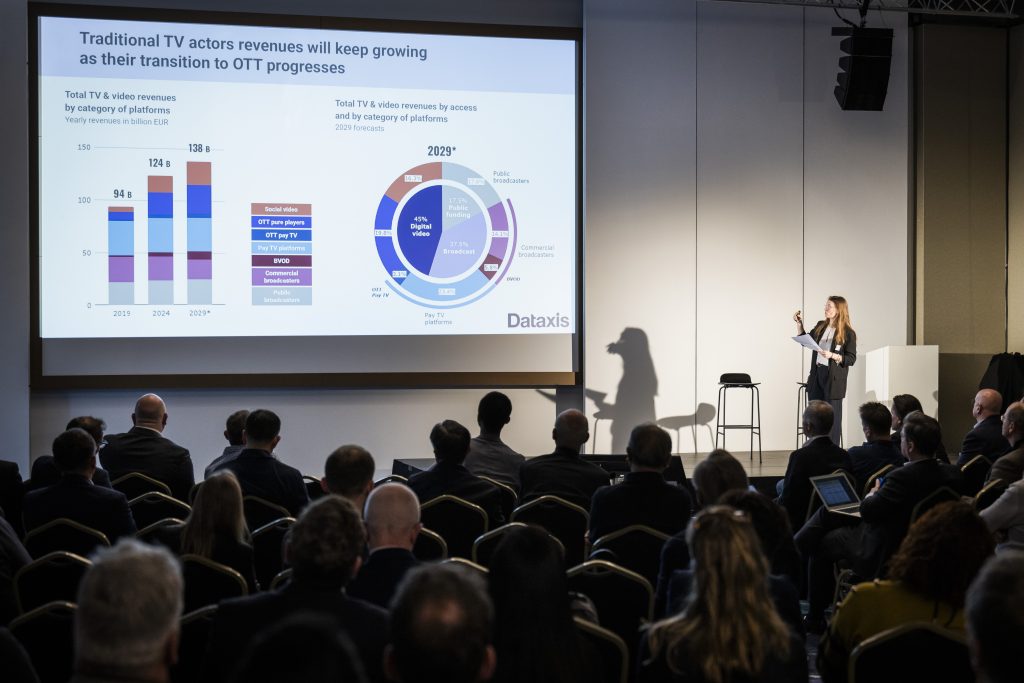
Ophélie Boucaud (Dataxis)
The expanding DVB ecosystem
The conference also featured broader discussions on DVB technologies beyond DVB-I and HbbTV. Topics such as 5G Broadcast, satellite broadband, digital rights management (DRM), and energy efficiency were explored. One of the standout announcements was the commercial launch of the first smart TV supporting Sat.tv Connect, integrating DVB-I and HbbTV for a richer free-to-air satellite TV experience. Developed through a partnership between Eutelsat and Vestel, this smart TV eliminates the need for external set-top boxes and offers an advanced electronic programme guide (EPG) with a dynamic channel list.
A collaborative and interactive event
DVB World 2025 continued its tradition of being an interactive and collaborative platform. The unconference format, which allowed attendees to pitch and host their own sessions, led to engaging discussions on the future of DVB standards. Topics ranged from inter-SDO collaboration to volumetric video and the evolving role of the DVB Project itself.
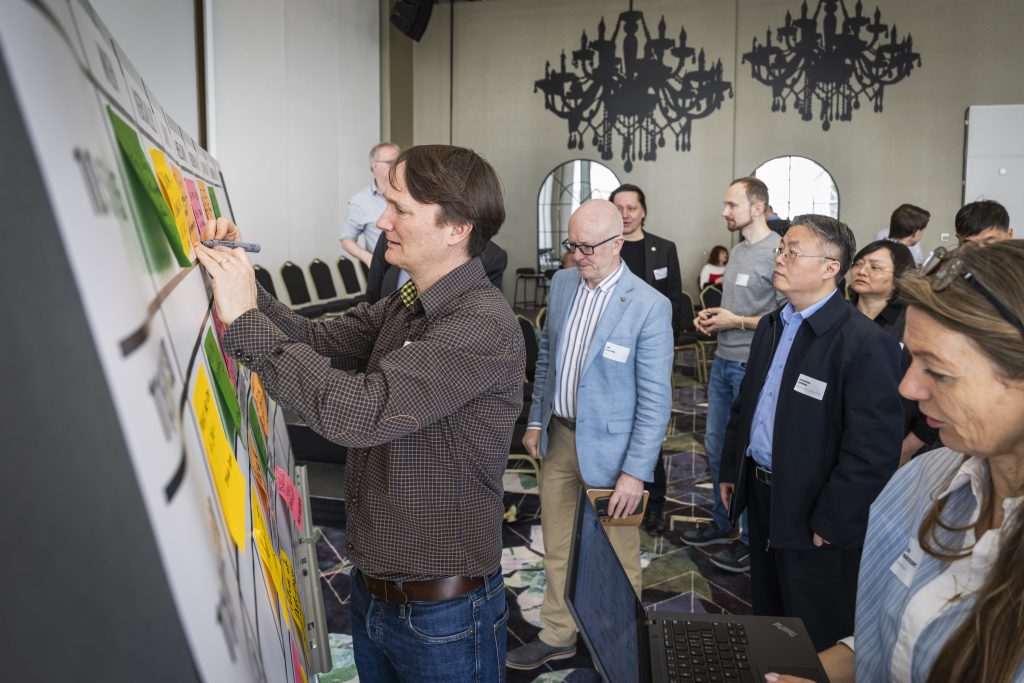
Building the unconference agenda
The event also paid tribute to long-time DVB contributor David Wood, who was honoured with an award for his outstanding contributions to the project.
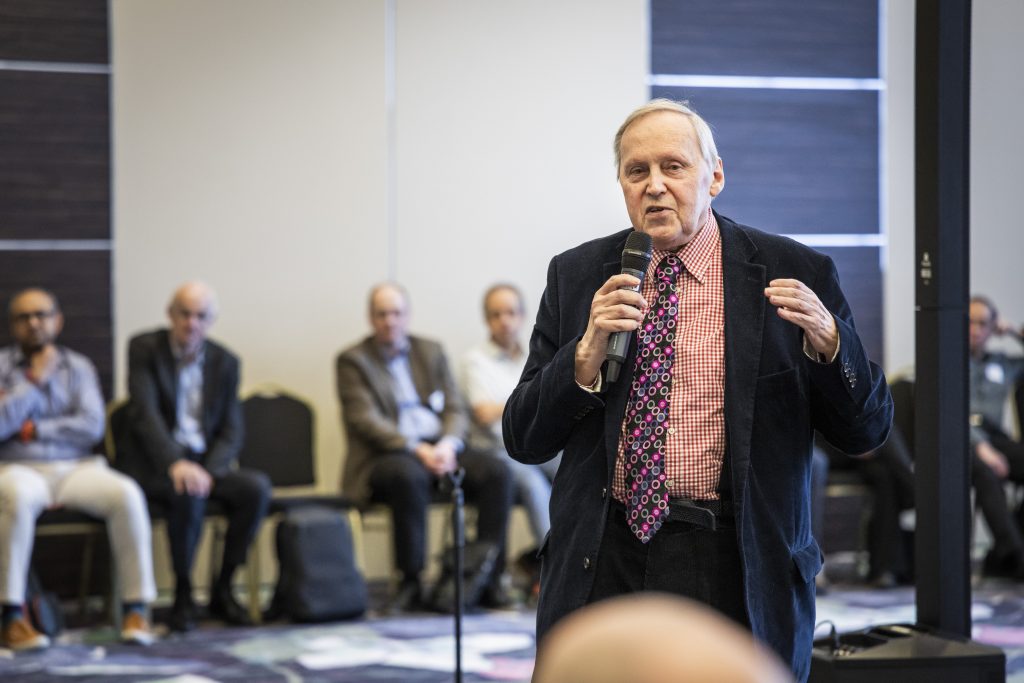
David Wood, the DVB Fellow for 2025
Looking ahead
As DVB-I continues to gain traction and HbbTV strengthens its role in television ecosystem, the industry is moving towards a future where the boundaries between broadcast and streaming are increasingly blurred. The insights from DVB World 2025 reinforce that traditional broadcasters remain key players in this evolving market, leveraging new technologies to enhance user experiences and sustain revenue growth.
Jörn Krieger
Freelance journalist