Automated Freely OpApp Certification
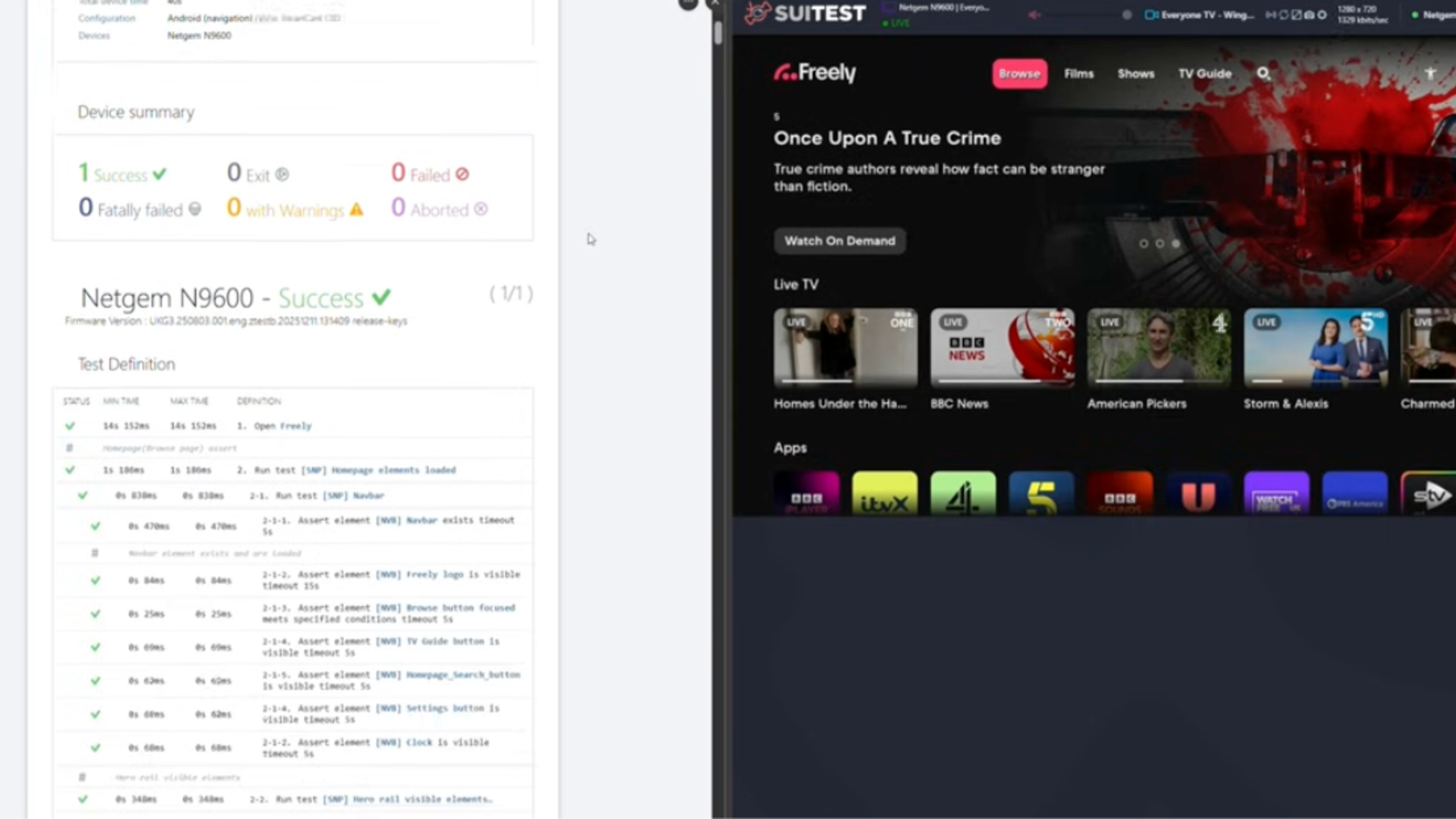
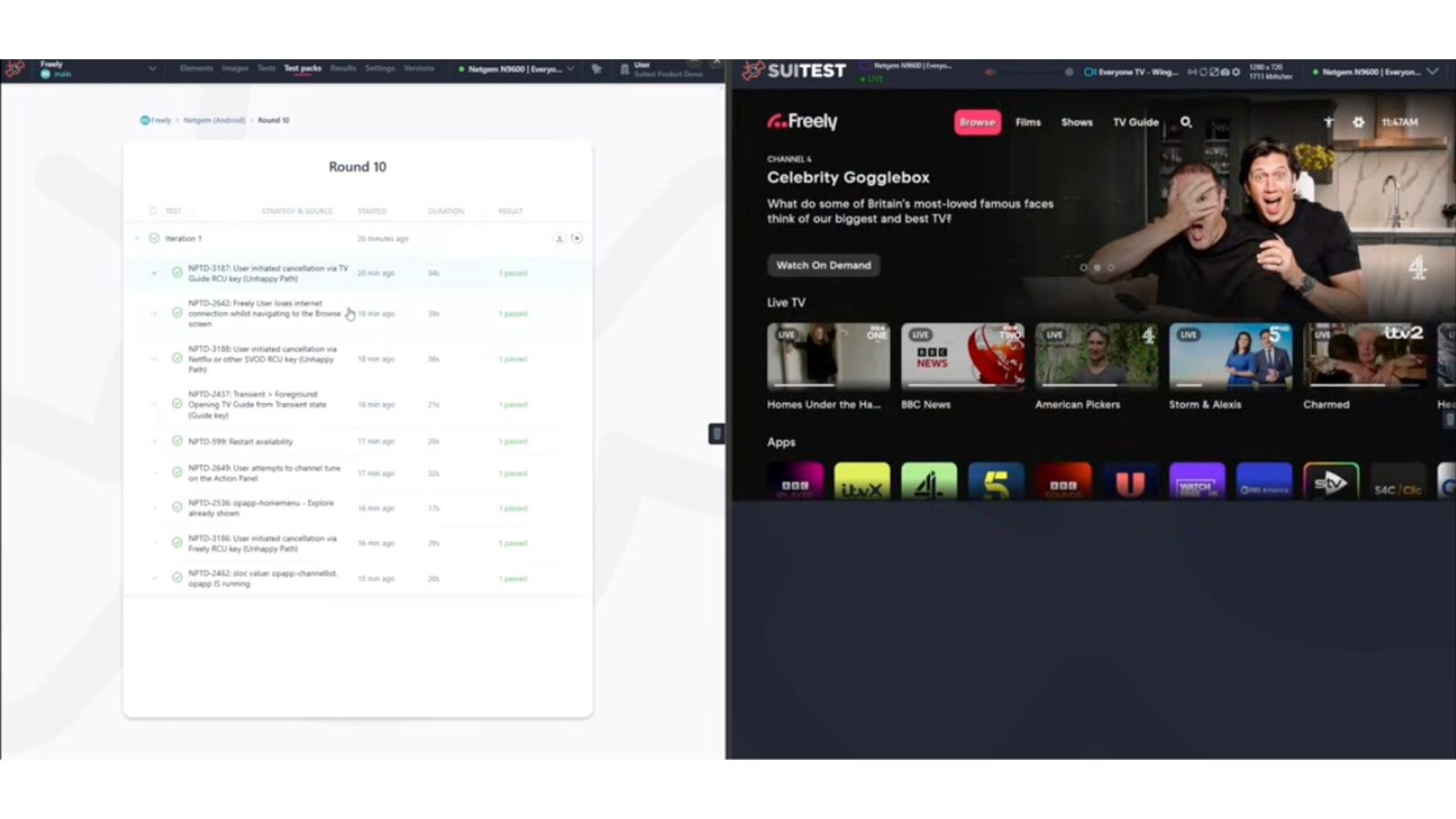
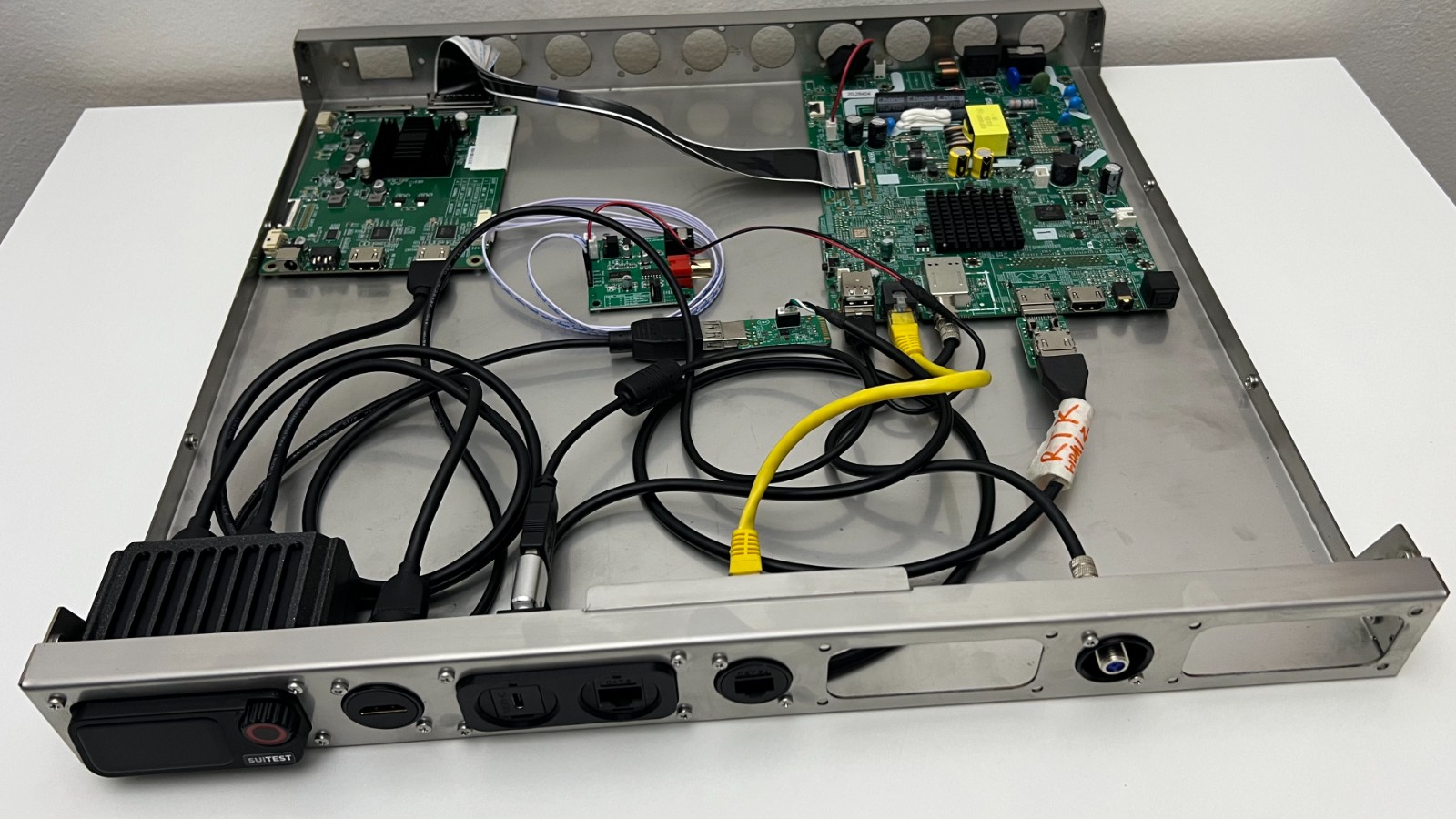
Everyone TV and Suitest jointly submit Automated Freely opApp Certification: an automated testing pathway that replaces manual certification with repeatable scripts manufacturers run on real pre-production and production devices. Everyone TV now accepts Suitest's automated results as valid certification evidence. Manufacturers can also submit a bare TV mainboard housed in Suitest's TVafer rack enclosure instead of a full television unit, cutting shipping costs and space needed for testing and certification.
Description
Device manufacturers face over 50 country- and operator-specific certification programs before bringing a product to market. Freely opApp certification, like most operator programs, has traditionally relied on slow, costly manual testing of complete television units.
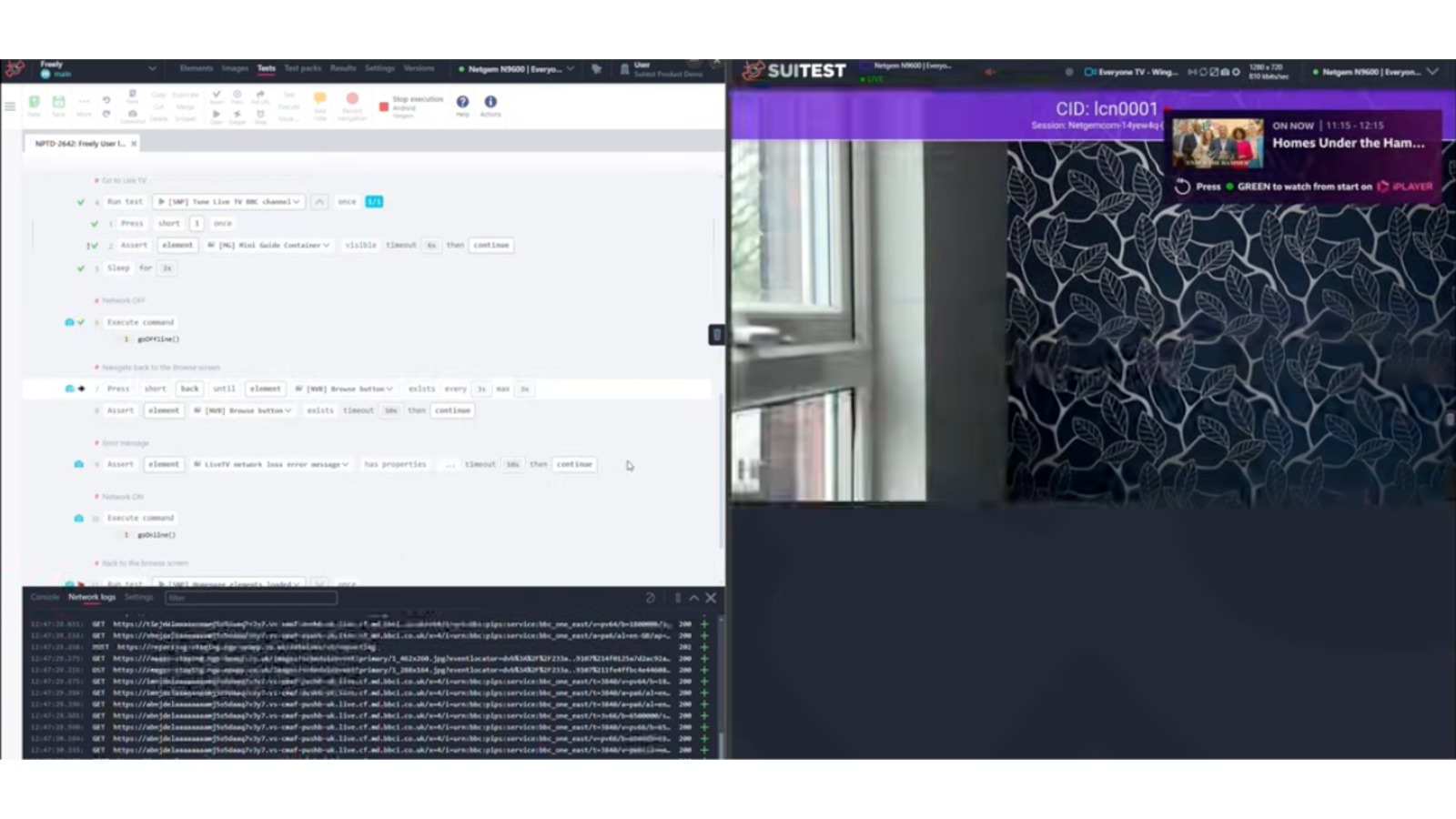
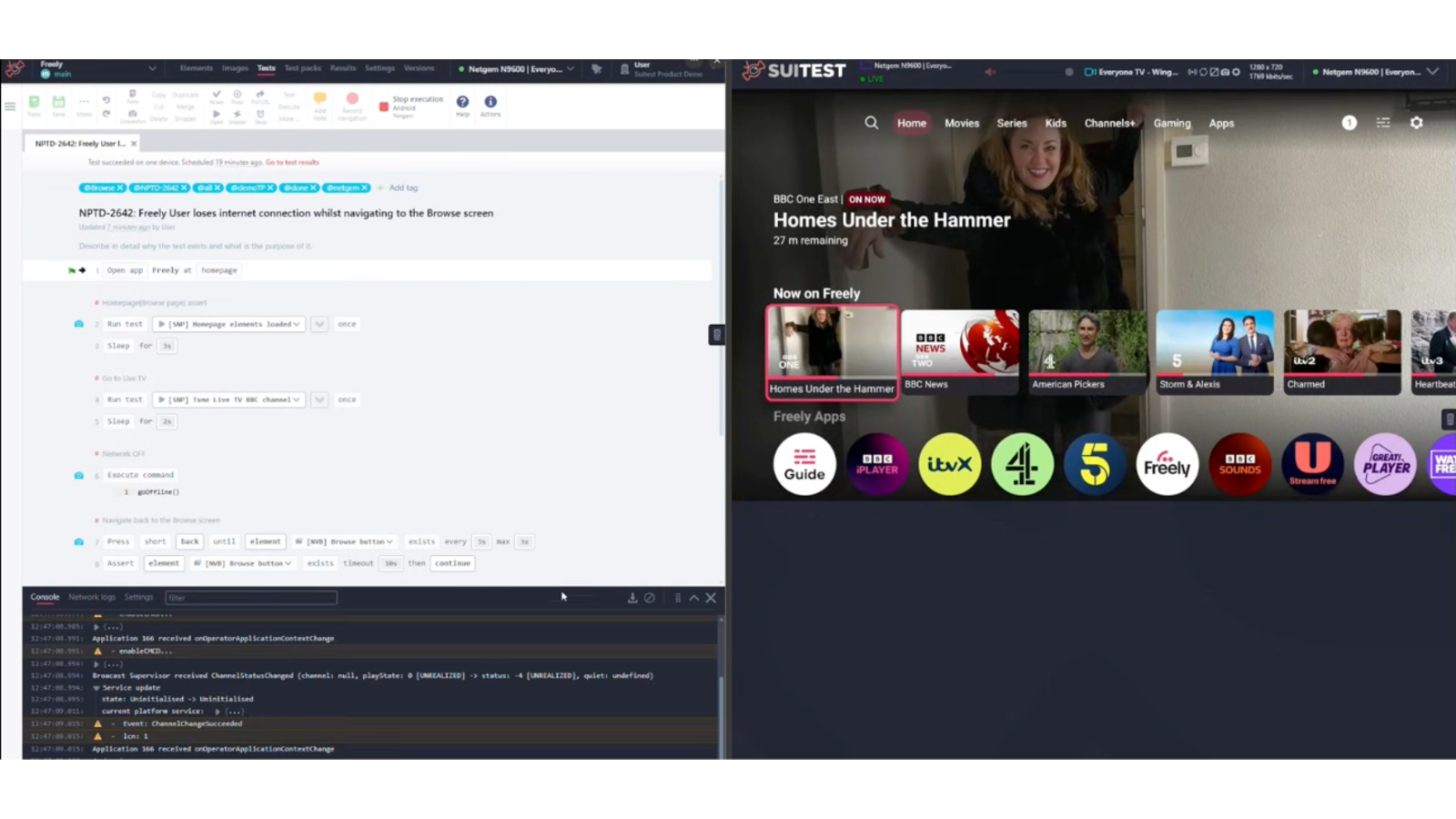
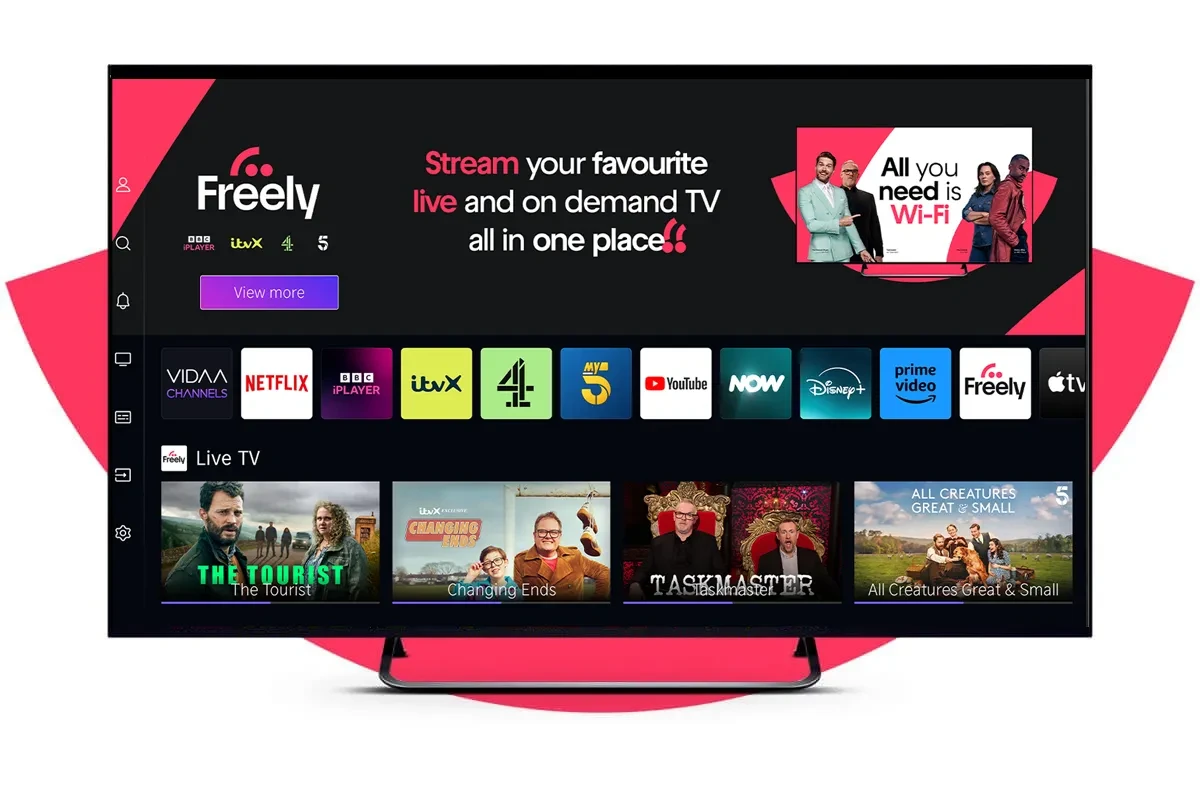
Everyone TV, operator of Freely (the UK's free-to-air IPTV service backed by BBC, ITV, Channel 4 and Channel 5), and Suitest, a Prague-based OTT test automation provider, jointly developed a route to certification built on automated, repeatable test scripts. Suitest has taken the manual test cases that form the Freely opApp test pack and created automated versions of them, which manufacturers can run either locally on their own hardware or remotely on devices in a test lab. Manufacturers submit the results directly to Everyone TV, which now accepts them as valid certification evidence rather than requiring separate manual sign-off. This embeds automation into the official certification pathway itself, not just as a pre-check step.
Tests can be launched and results reviewed through Suitest's MCP server, using the AI agent of the user's choice, letting engineers trigger certification runs and interpret outcomes conversationally in their own language - for example Chinese.
Manufacturers can also remotely debug devices via serial communication and remotely update device firmware, without needing physical access to the hardware.
Alongside this, manufacturers can submit just the bare TV mainboard housed in Suitest's TVafer, a high-density 1U rack enclosure paired with an HDMI capture device, instead of shipping and storing a complete television unit for testing.
The underlying platform is designed to extend beyond Freely to other operator-specific requirements, making the collaboration model reusable across further certification programs.
Impact
Manually running the Freely test cases required by Everyone TV currently takes a tester 2-4 days of continuous effort; the automated equivalent takes roughly 2-3 hours. This lets certification cycles run on demand and repeat on every firmware build, instead of being scheduled as one-off manual sessions, cutting the time and cost manufacturers spend reaching certification. Submitting a bare mainboard in a rack-mountable TVafer instead of a boxed, full-size television also reduces freight size and weight and the physical space needed to hold and test units, a meaningful saving across multiple SKUs and international manufacturers. For Everyone TV, the approach delivers a scalable, consistent certification process with less manual review and physical handling, while remote diagnostics speed up debugging without physical device access.
Debugging problems that occur only in the UK, or only when connected to a UK IP or DTT network, has long been a major challenge for manufacturers, since such issues are often impossible to recreate outside the UK and have typically required exchanging log files and videos back and forth. A TVafer-housed development board can instead be located in Everyone TV's Bedford test lab and shared for live remote debug and analysis by a partner anywhere else in the world.
An operator formally accepting vendor-generated automated results, in a leaner physical format, sets a precedent other HbbTV-based operator programs could follow.
Screens