
News & Insight
The latest news and insight from HbbTV
Press releases, news and articles from the HbbTV Association and the developer community — 146 posts.
Type
Subject
 Admongrel, Konodrac, NIQ, TVekstra, wedotv: HbbTV Association welcomes five new members: The HbbTV Association welcomes five new members, Admongrel, Konodrac, NIQ, TVekstra and wedotv, bringing total membership to 65. The expansion reflects growing interest in HbbTV across audience measurement, advanced advertising and connected TV services, supported by new membership categories and Application Interest Groups encouraging broader industry participation and collaboration.
  Meet the Member: Xiaomi In our latest Meet the Member interview, Xiaomi discusses the importance of HbbTV across its global smart TV business. The company shares its ambitions for expanding connected TV services, contributing real world deployment experience, improving user experiences and collaborating with the HbbTV community on open standards and interoperability.
  HbbTV conformance and receiver requirements in France France’s HbbTV requirements combine regulation, industry recommendations and practical market implementation. This article explains whether HbbTV support is required on French TV receivers, the role of HbbTV 2.0.2, how Conformance Test Suite releases apply, and what receiver manufacturers and application developers should consider when targeting the French market.
  HbbTV Symposium 2026 to explore audience measurement, addressable advertising and new markets The HbbTV Association has unveiled the programme and speaker line-up for the HbbTV Symposium and Awards 2026 in Barcelona on 18-19 November. The event will explore audience measurement, addressable advertising, global market expansion, AI-powered interfaces and personalisation, combining a full conference programme with a participant-driven unconference.
  Webinar announcement: Taking audience measurement to the next level with HbbTV Join the HbbTV Association on 14 October 2026 for a webinar exploring the latest developments in audience measurement. Building on the March 2026 session, the webinar will examine new opportunities, including the integration of HbbTV return-channel data into Germany’s national TV measurement system and connected TV measurement approaches. Meet the Member: eJoyful Meet HbbTV member eJoyful, an independent technology company specialising in broadcast technology and news intelligence. Discover how it uses HbbTV and satellite delivery to provide reliable information where internet connectivity is limited, its experience developing carousel-based services, and its plans to make HbbTV more accessible to smaller broadcasters worldwide.
  HbbTV 2.0.5 specification published by ETSI ETSI has formally published the HbbTV 2.0.5 specification as ETSI TS 102 796 V1.8.1. The latest version of the HbbTV core specification introduces enhancements including integrated DRM, WebAssembly support, additional web security measures, support for VVC and AV1 video codecs, and improved integration with DVB-I services.
  HbbTV invites proposals for 2027 Interoperability and Test Events The HbbTV Association is inviting proposals from organisations interested in hosting an HbbTV Interoperability and Test Event in 2027. These events bring applications and devices together for interoperability testing and support the validation of tests ahead of HbbTV Test Suite releases. Proposals are invited by 19 October 2026.
 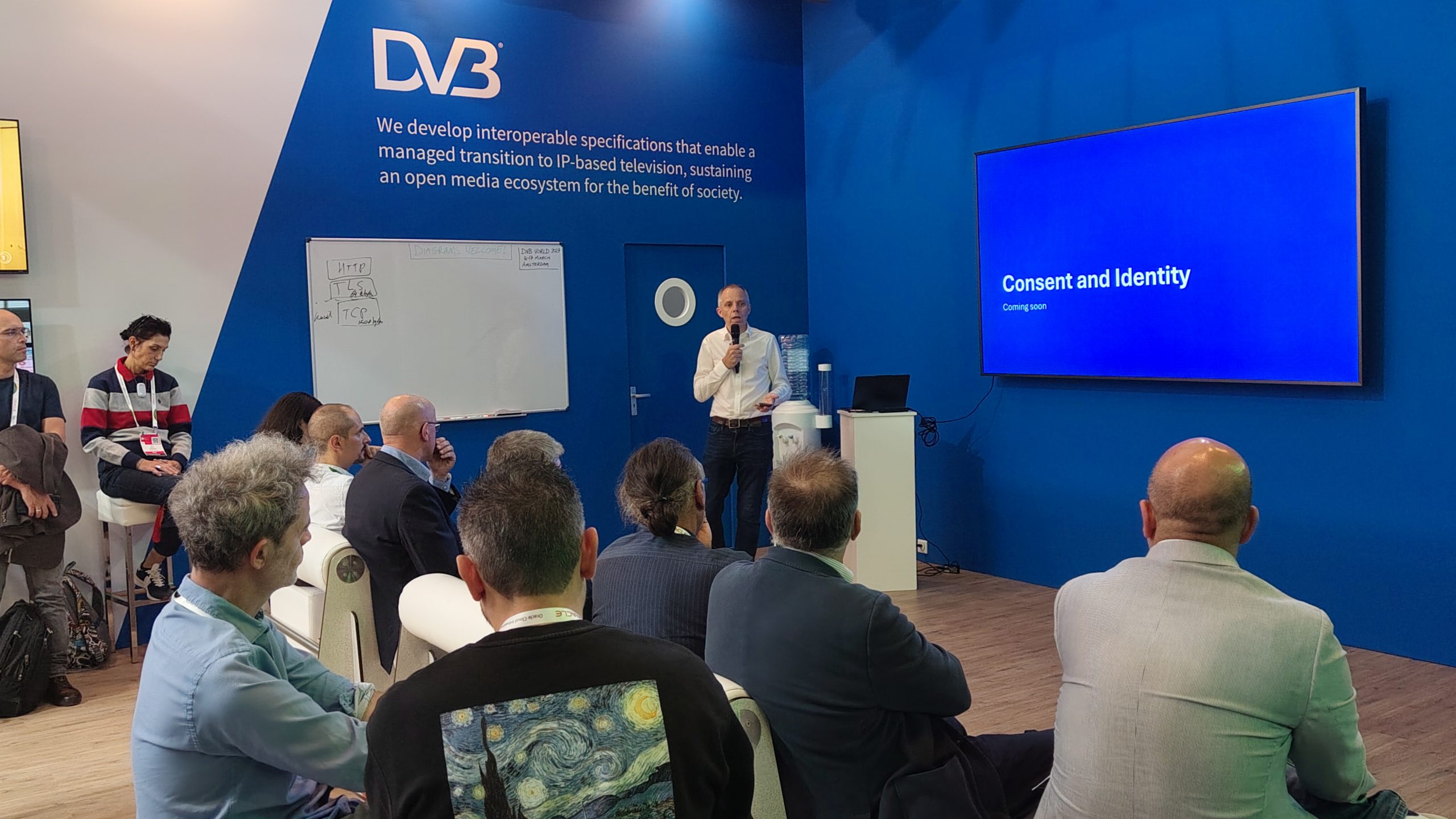 HbbTV puts measurement, advertising and identity in focus at IBC 2026 HbbTV highlighted its new Application Interest Groups at the DVB Project Meetup at IBC 2026, focusing on audience measurement, advanced advertising, and consent and identity. The groups aim to bring the industry together around key applications, encourage collaboration and support the development of new HbbTV-based services and business models. Updated DASH Conformance Software brings new validation features Version 3.1.0 of the open-source DASH Conformance Software has been released, bringing useful improvements for HbbTV developers testing MPEG-DASH services. Updates include reimplemented XSD-based manifest validation, direct MPD input, updated CMAF support, improved SegmentTimeline handling, and Docker and error-handling fixes to help identify potential interoperability issues earlier.
  The evolution of HbbTV through the awards – Part 3: Building a commercial and technology ecosystem Advertising has been a constant theme throughout the HbbTV Awards. In the final part of our three-part series, we explore how HbbTV is enabling interactive and addressable television advertising, new campaign formats and audience measurement, alongside the tools and technologies needed to support increasingly sophisticated HbbTV services at scale. HbbTV unveils jury for HbbTV Awards 2026 The jury has been appointed for the HbbTV Awards 2026, bringing together leading experts from across the connected TV industry. Entries are open across five categories, including a new award for audience measurement and analytics. Submissions close on 18 September 2026, with winners announced at the HbbTV Symposium and Awards in Barcelona. The evolution of HbbTV through the awards – Part 2: Helping viewers find and watch more content From early programme guides and streaming portals to operator applications and AI-assisted discovery, HbbTV has transformed how viewers find and access content. In the second of our three-part series, we explore award-winning services that demonstrate HbbTV’s evolving role in bringing broadcast and streaming television together into richer, more integrated viewing experiences. The evolution of HbbTV through the Awards – Part 1: Enhancing the television experience The HbbTV Awards provide a fascinating record of how hybrid television has evolved. In the first of our three-part series, we explore how award-winning services have enhanced the television experience, from interactive broadcast applications and multiscreen experiences to innovative accessibility services that make television more engaging and inclusive for viewers.
  Built-in vs In-App DASH Players: Which approach is right for HbbTV? Should your HbbTV application use the television’s native DASH player or an in-app JavaScript player such as dash.js? Based on a lively unconference session at the 2025 HbbTV Symposium, this article explores the trade-offs, deployment strategies and practical considerations that influence this important architectural decision.
  HbbTV and DVB-I: Complementary standards driving the next generation of television Based on an HbbTV webinar featuring broadcasters, manufacturers and technology experts, this article explores how HbbTV and DVB-I are being deployed together in Germany, Italy, New Zealand and Australia. Discover the latest market developments, practical deployment experiences and why the two complementary standards are shaping the future of television.
  HbbTV launches Audience Measurement Group to accelerate innovation across the TV ecosystem The HbbTV Association has launched its new Audience Measurement Group (AMG), the first of three Application Interest Groups created under the Association’s new membership framework. Bringing together broadcasters, measurement companies and technology providers, the AMG will help advance HbbTV-based audience measurement through collaboration, best practice, implementation guidance and future standards development.
  From unconference to implementation: How HbbTV Symposium 2025 ideas are becoming reality How have the ideas from the 2025 HbbTV Symposium unconference evolved? This article, based on a follow-up HbbTV Association webinar, explores the progress made across AI, All-IP, accessibility, sustainability, testing, interactive advertising and TV shopping, highlighting how collaborative discussions are becoming real-world deployments, standards work and industry innovation.
 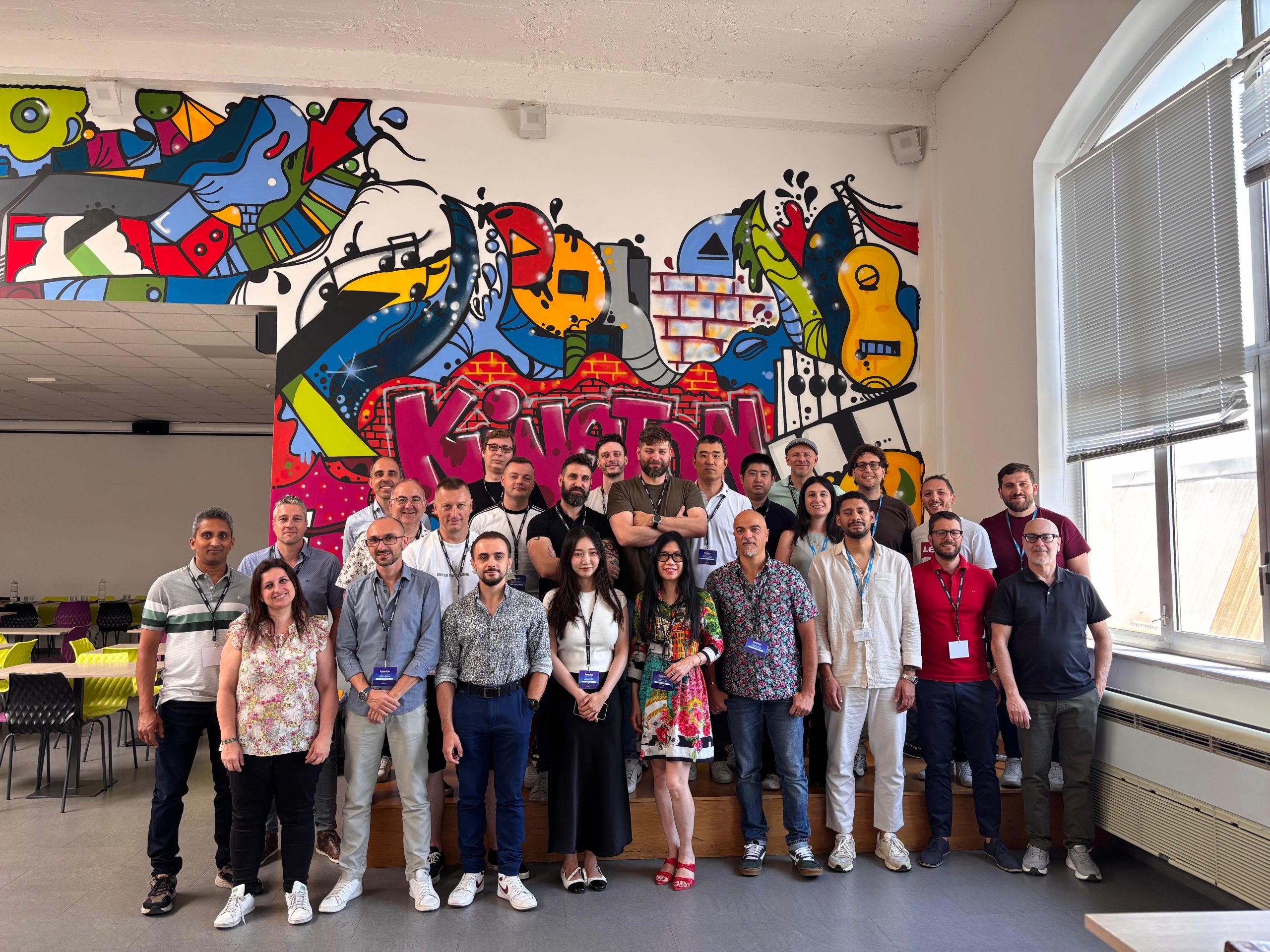 Kineton International Plugfest & HbbTV Testing Event 2026 Report The International Plugfest & HbbTV Testing Event 2026 brought the global HbbTV community together in Naples for a week of interoperability testing, technical collaboration and knowledge sharing. Hosted by Kineton in partnership with the HbbTV Association, the event focused on validating the latest HbbTV, DVB-I, UHD, NGA and HDMI implementations while helping to prepare the upcoming HbbTV Test Suite v2026-2.
  Invitation to DTVP Plugfest & HbbTV Testing Event The DTVP Plugfest & HbbTV Testing Event returns to Berlin from 12–16 October 2026, bringing together broadcasters, device manufacturers and technology providers to test interoperability across HbbTV, DVB-I, streaming, immersive audio and UHD-HDR. Registration is now open, with a deadline of 11 September 2026. HbbTV opens call for speakers for HbbTV Symposium 2026 The HbbTV Association is pleased to announce the Call for Speakers for the 14th HbbTV Symposium and Awards 2026. The annual summit of the connected TV industry will take place on 18-19 November in Barcelona, Spain, co-hosted with 3Cat, Catalonia’s public media corporation. HbbTV Test & Conformance Applications Study Mission Group short survey The HbbTV Test & Conformance Applications (TaCA) Study Mission Group has launched a short survey to gather industry feedback on the future direction of test and conformance applications within HbbTV.
  HbbTV opens Call for Sponsors for HbbTV Symposium and Awards 2026 The 14th HbbTV Symposium and Awards will take place on 18–19 November 2026 in Barcelona, co-hosted by the HbbTV Association and 3Cat. Industry players are invited to become sponsors of the event, which will explore key developments in connected TV, audience measurement, addressable advertising and HbbTV’s expansion into new markets. 14th HbbTV Symposium and Awards to take place on 18-19 November 2026 in Barcelona, Spain The HbbTV Association is pleased to announce that the 14th HbbTV Symposium and Awards will be held on 18-19 November 2026 in Barcelona, Spain. This year’s edition of the connected TV industry’s leading annual summit will take place at the Catalonia Barcelona Plaza, a landmark four-star hotel and conference venue situated directly on Plaça d’Espanya. The event will be co-hosted with 3Cat, Catalonia’s public broadcaster.
  HbbTV’s role in a rapidly evolving TV ecosystem In his keynote at the HbbTV Symposium 2025, Chair Vincent Grivet explores how the TV market is evolving as broadcasters and streamers converge. This article highlights how HbbTV provides a unifying, broadcaster-friendly framework, enabling innovation, interoperability and scalable service delivery in an increasingly fragmented and challenging connected TV ecosystem.
 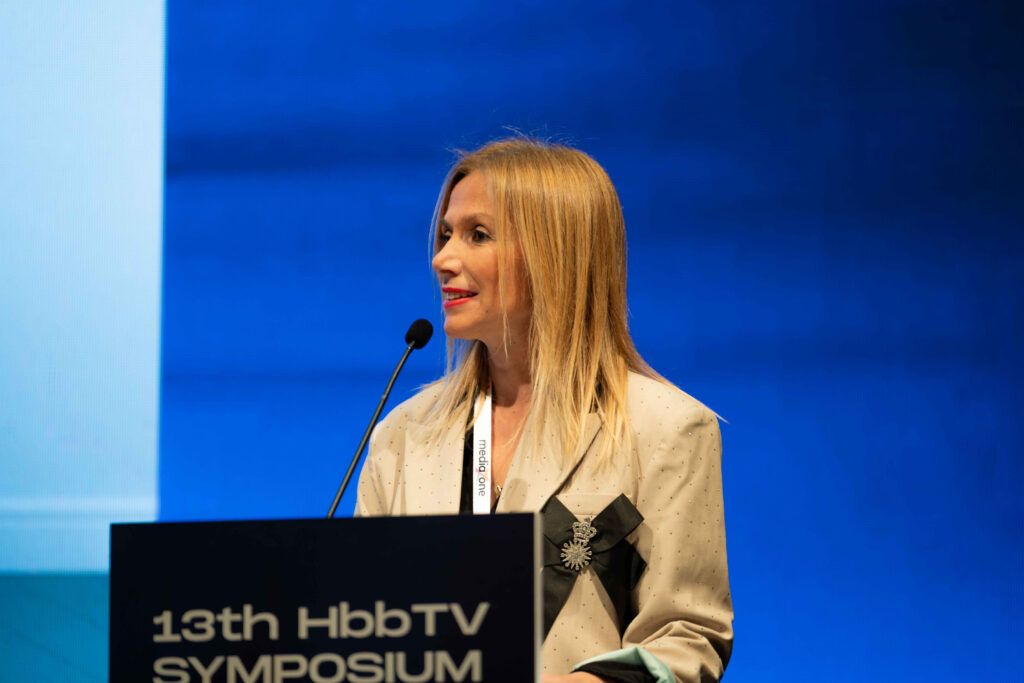 Türkiye’s hidden HbbTV success story Turkey has emerged as a leading example of how HbbTV can drive real innovation in connected television. This article explores how a mindset of experimentation, combined with interactive advertising and data-driven experiences, is transforming viewer engagement and offering a blueprint for the future of TV across other markets.
 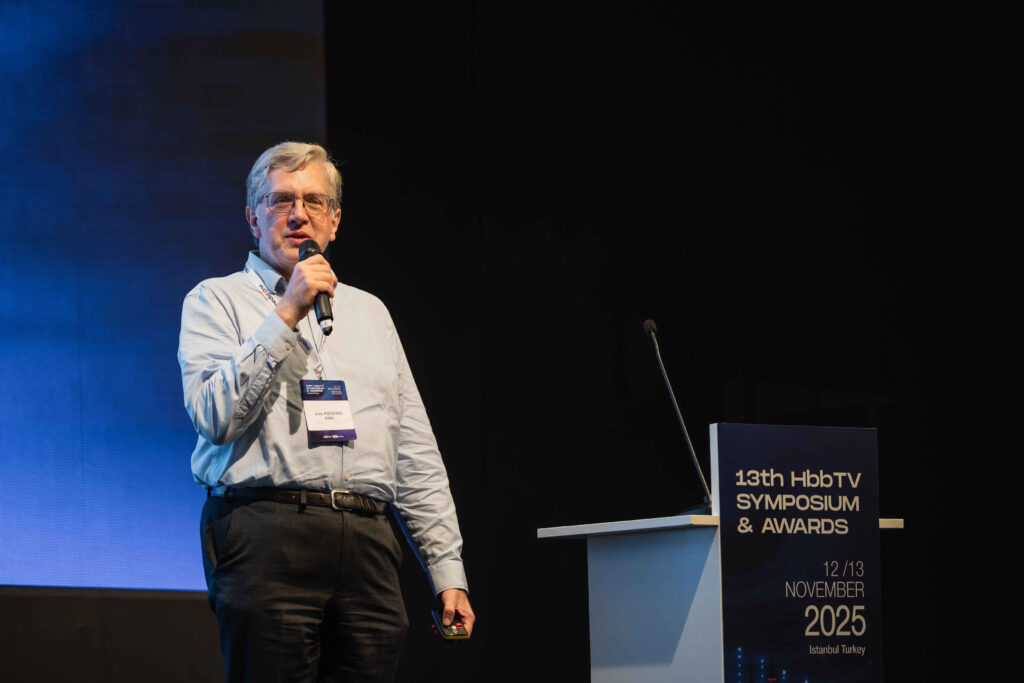 Advancing the HbbTV specifications for a changing market In his update at the HbbTV Symposium 2025, Jon Piesing outlines how the HbbTV specifications are evolving to reflect real-world deployment. From DRM integration to WebAssembly and ongoing refinements, this article explores how the standard is being strengthened to support interoperability, simplify implementation and enable future innovation in connected TV.
  Global TV and video trends shaping the connected TV era At the HbbTV Symposium 2025, Dataxis analyst Ophélie Boucaud explored the global TV and video landscape. With connected TV devices surpassing one billion, shifting revenues and growing fragmentation, this article highlights the key trends shaping viewing, monetisation and competition in an increasingly complex and rapidly evolving market.
 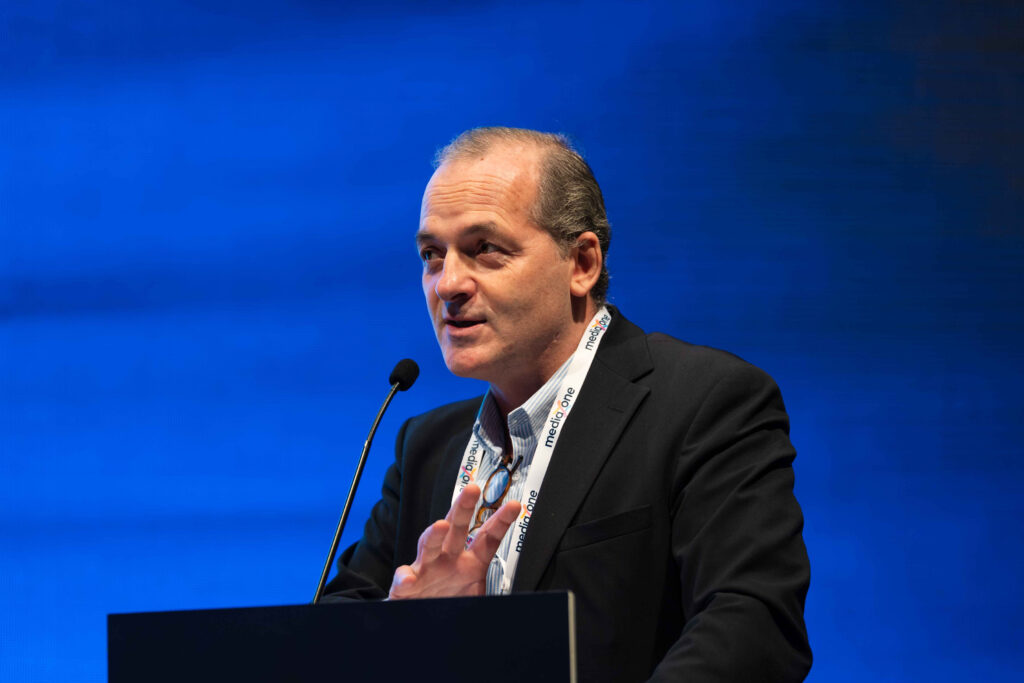 Navigating the fragmented world of smart TV operating systems At the HbbTV Symposium 2025, Damien de Foucault explored the complex and fragmented smart TV operating system landscape. With competing platforms, evolving business models and growing control by manufacturers, this article examines the challenges for broadcasters and the importance of navigating an increasingly dynamic and fast-changing connected TV ecosystem.
  Expanding into new markets with HbbTV This article, based on a roundtable at the HbbTV Symposium 2025, explores how broadcasters and platforms can expand into new markets using HbbTV. Covering hybrid distribution, monetisation, regulation and partnerships. It highlights the practical realities of scaling services in a complex and fragmented TV ecosystem.
  Why HbbTV is needed for broadband-only television HbbTV was originally created to bring interoperability and TV-specific functionality to HTML applications, but are those needs still relevant in an all-IP world? This article explores why broadband-only television still requires HbbTV to ensure consistent experiences, stable standards and seamless integration across a diverse and long-lived device ecosystem.
 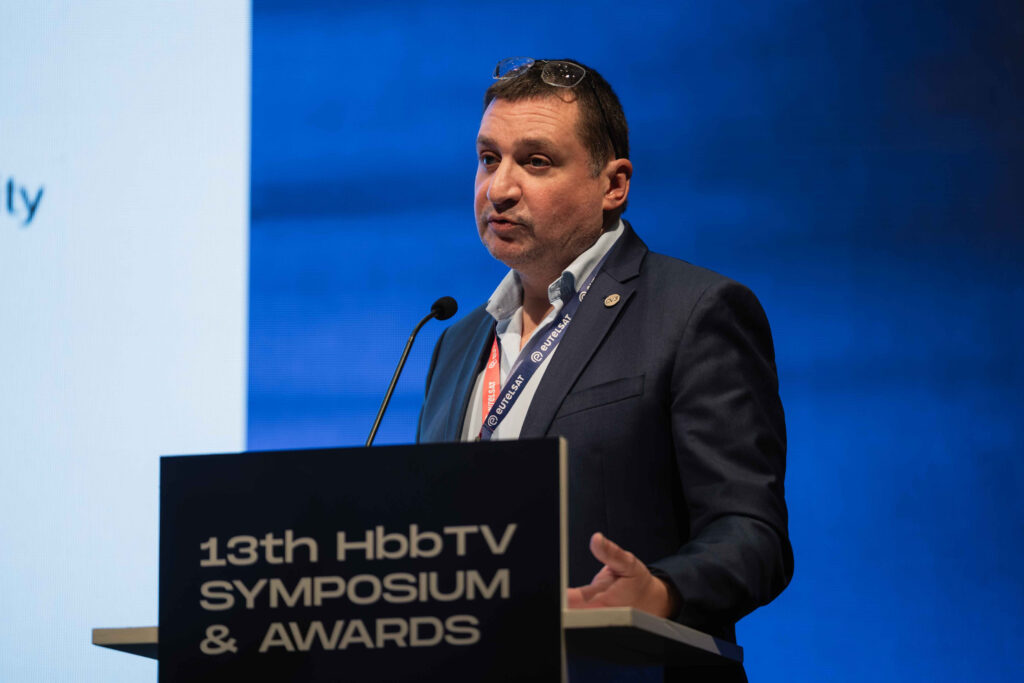 Reimagining satellite TV with DVB-I and HbbTV At the HbbTV Symposium 2025, Ralph Edeine explored how satellite TV can evolve through hybrid delivery using DVB-I and HbbTV. This article highlights how combining broadcast reach with broadband capabilities enables improved user experience, service discovery and new monetisation opportunities in an increasingly IP-driven television landscape.
 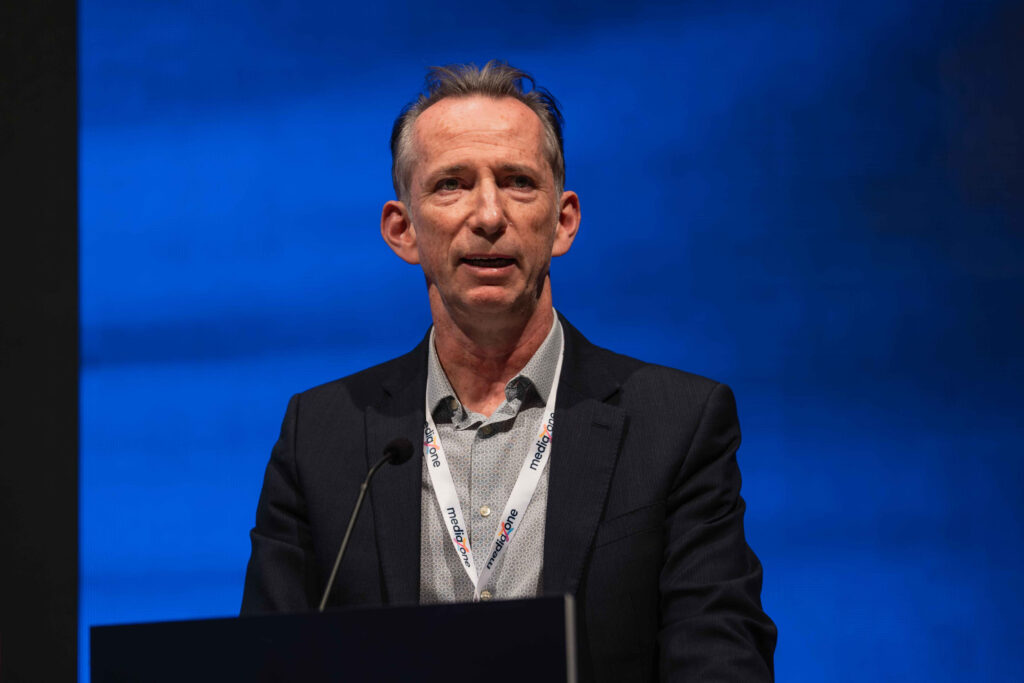 Bringing linear TV into an IP future with the HbbTV OpApp At the HbbTV Symposium 2025, Jeff Hunter of YouView TV explores how the HbbTV OpApp enables linear channels to be delivered over IP. This article highlights how operators can maintain familiar channel experiences while supporting the transition to an all-IP television environment.
 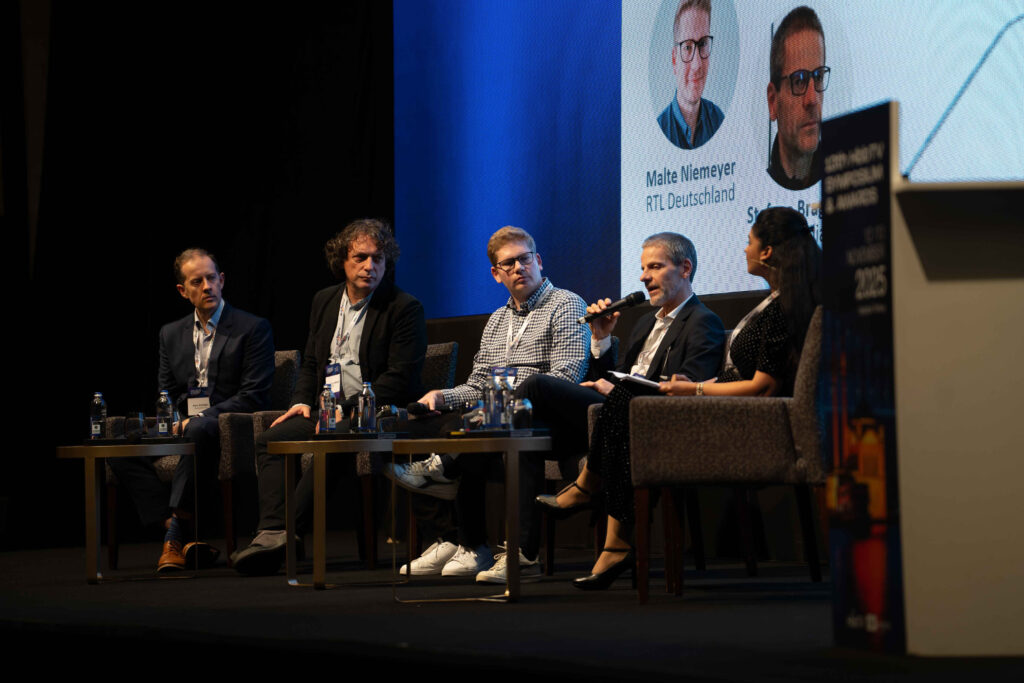 The role of HbbTV in an IP-only future This article, based on a roundtable at the HbbTV Symposium 2025, explores the role of HbbTV in an IP-only future. Industry experts from Everyone TV, the EBU, RTL Deutschland and Mediaset discuss interoperability, DVB-I, testing, device evolution and how broadcasters can navigate the transition towards IP-delivered television.
  Empowering broadcasters in MENA: HbbTV tools driving advertising and revenue growth This article, based on a keynote at the HbbTV Symposium 2025, explores how broadcasters in the MENA region are using HbbTV to drive audience growth, improve measurement and unlock new advertising revenues. Atila Madakbaş highlights the role of analytics, AI and connected TV advertising in supporting broadcaster success.
 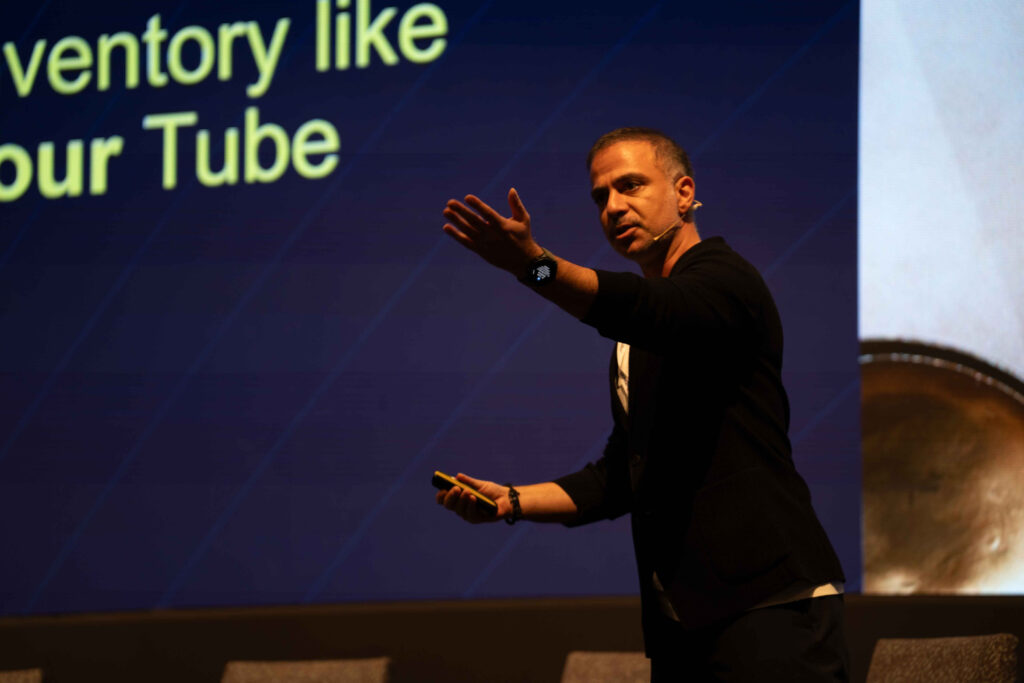 Selling HbbTV inventory like ‘YourTube’ This article, based on a keynote at the HbbTV Symposium 2025, explores how broadcasters can unlock greater advertising value from HbbTV. Cem Eroğlu argues that connected TV inventory must be sold, measured and integrated like digital advertising, enabling broadcasters to compete more effectively for modern advertising budgets.
  Addressable advertising with HbbTV: moving from experiments to scale This article, based on a roundtable at the HbbTV Symposium 2025, explores how addressable advertising is evolving from niche deployments to a scalable advertising channel. Industry experts discuss targeting, measurement, the HbbTV-TA specification, audience data and the challenges of competing for advertising budgets in an increasingly digital marketplace.
  HbbTV innovation showcase: quickfire presentations from the HbbTV Symposium 2025 This article rounds up the quickfire 5-minute presentations from the HbbTV Symposium 2025, covering media authenticity, accessibility, streaming platform innovation, interoperability testing and application discovery. Together, the speakers showcase how HbbTV continues to evolve, addressing emerging challenges while creating new opportunities for broadcasters, manufacturers and technology providers.
  Collaboration, innovation and debate: inside the HbbTV Symposium 2025 unconference This article reports on the unconference held on the second day of the HbbTV Symposium 2025, where delegates shaped the agenda and explored emerging challenges and opportunities facing the industry. Covering DVB-I, all-IP television, accessibility, AI, advertising, sustainability, testing and service discovery, it highlights the collaborative discussions helping to shape the future of HbbTV. Audience measurement and analytics with HbbTV Webinar: from panels to precision Based on insights from a recent HbbTV webinar, this article explores how hybrid measurement combines panel data with large-scale device insights. Real-world deployments in Spain, Austria and the UK show improved accuracy, reduced zero ratings and new monetisation models, helping broadcasters compete in an increasingly data-driven and outcome-focused media landscape. HbbTV publishes full video recordings from HbbTV Symposium and Awards 2025 The HbbTV Association has published video recordings of all 20 conference sessions from the HbbTV Symposium and Awards 2025, offering the industry comprehensive insight into the key discussions and developments shaping connected television. The recordings are now available on the Association’s channel on YouTube.
 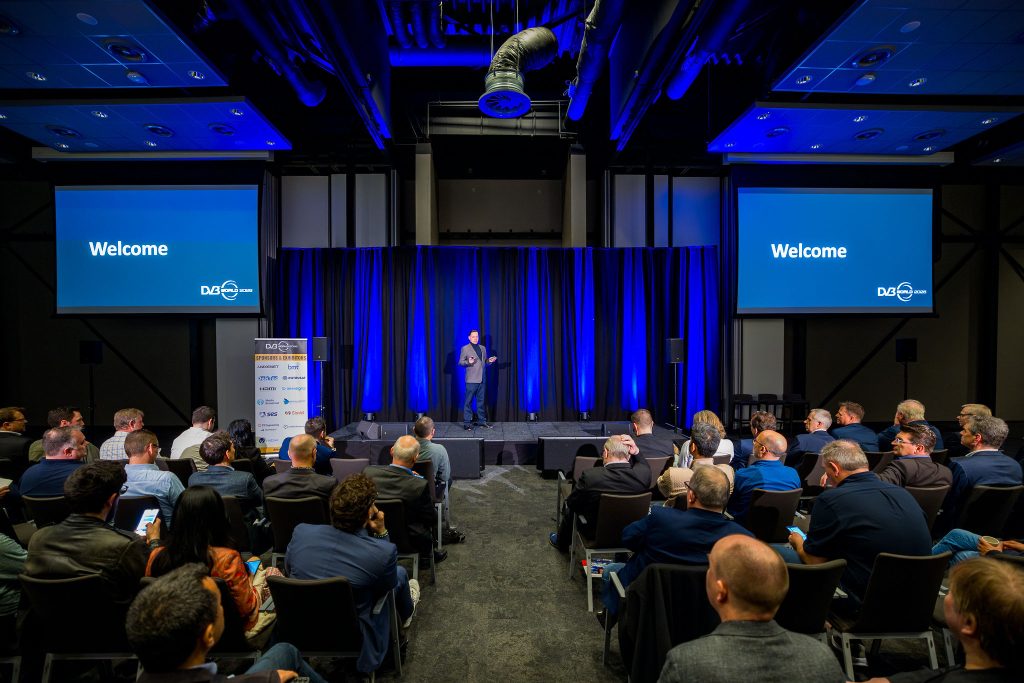 Industry debates future of broadcasting at DVB World 2026 The DVB World 2026 conference on 17-18 March in Amsterdam centred on the transition from traditional broadcasting to IP-based delivery, with DVB Chair Remo Vogel (rbb/ARD), emphasising the importance of a managed migration that preserves an open ecosystem for devices and services.
  Understanding HbbTV: A developer insight series To help developers and industry professionals understand the scope and potential of the standard, the HbbTV Association has created a nine-part article series exploring every aspect of the technology: from its technical principles to its market impact and regulatory context.
 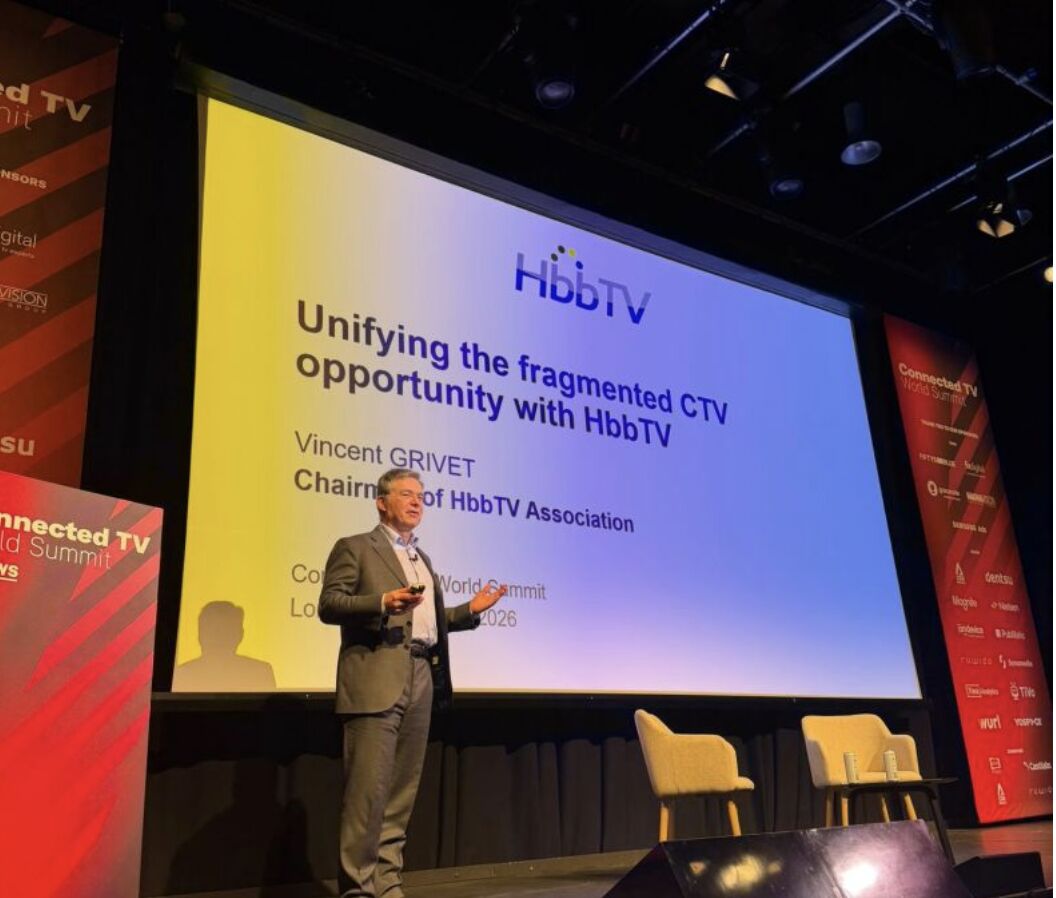 Unifying the fragmented CTV opportunity with HbbTV Vincent Grivet, Chair of the HbbTV Association, outlined how open standards can help unify the fragmented connected TV ecosystem at the Connected TV World Summit 2026. With more than 100 million HbbTV-enabled homes in Europe, the technology enables scalable addressable advertising while giving broadcasters greater control over services, data and monetisation.
 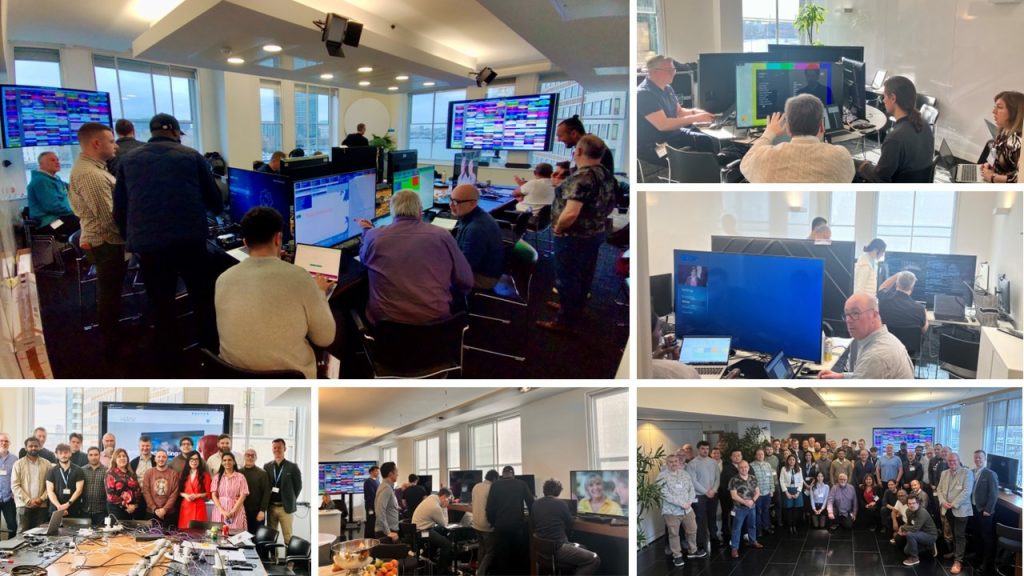 DTG Plugfest 2026: Turning standards into working television Engineers from 32 companies gathered in London for the 2026 DTG Plugfest to test interoperability across connected TV technologies including HbbTV, DVB-I, DASH and HDMI. Over several days of collaborative testing, participants worked together to ensure that industry standards translate into reliable, real-world television services before reaching viewers’ homes. HbbTV Association publishes HbbTV 2.0.5 core specification The HbbTV Association has published version 2.0.5 of its core specification, marking a major step in the evolution of the HbbTV standard. It formally integrates DRM support into the HbbTV specification amongst other enhancements. Webinar announcement: Audience measurement and analytics with HbbTV Audience measurement and analysis via HbbTV is gaining momentum as broadcasters, advertisers and measurement bodies seek more accurate, precise and real-time insights across linear TV and streaming. Our upcoming webinar explores how HbbTV data is helping to transform established ratings systems and unlock deeper audience intelligence.
  What advertisers want from streaming TV and how HbbTV delivers Advertisers prioritise quality, reach, interactivity and measurable outcomes in streaming TV. HbbTV addressable advertising delivers all four, combining premium broadcast environments with personalised ads at scale. Reaching over 100 million European households, it offers unified cross-brand deployment, advanced targeting and programmatic-ready inventory across linear, VOD and FAST services.
 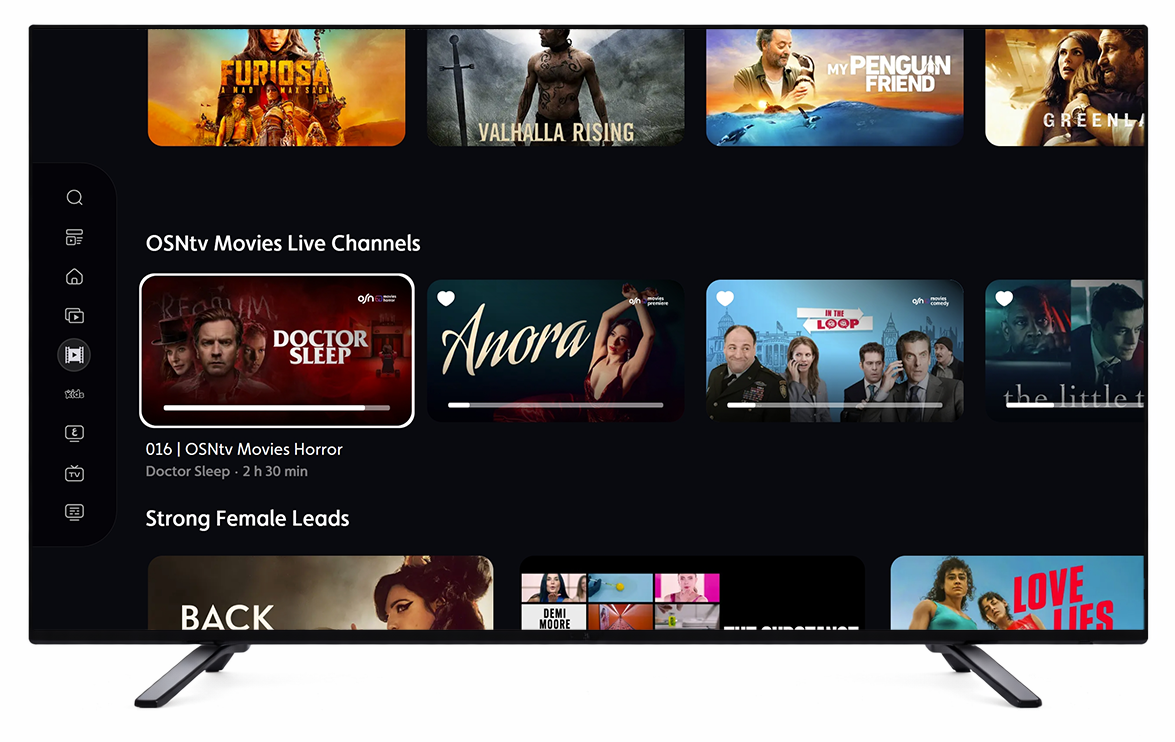 OSN delivers a direct-to-TV pay-TV experience using HbbTV OpApp on Samsung smart TVs OSN has launched a direct-to-TV pay-TV service on Samsung Smart TVs using the HbbTV Operator Application standard. The deployment demonstrates how OpApps can deliver secure, hybrid live and on-demand services, replacing the traditional set-top box experience with a fully integrated TV solution. 1. What makes HbbTV unique: A service-oriented approach to TV HbbTV isn’t just another broadcast standard — it’s a service-oriented framework that bridges broadcast and broadband. Discover how HbbTV applications work, what makes them unique, and why they’re the foundation for today’s interactive television experiences. 2. Why broadcasters choose HbbTV: Market opportunities and competitive advantages HbbTV gives broadcasters a unique way to connect directly with their audiences, free from platform gatekeepers. Discover how HbbTV enables new business models, data control, and viewer experiences that compete effectively with global streaming apps. 3. The future of HbbTV: DRM integration and support for prominence The upcoming HbbTV 2.0.5 release brings native DRM integration and stronger alignment with DVB-I — helping broadcasters deliver premium content securely and support the EU’s “prominence” objectives for public-interest services. 4. Beyond streaming: The range of services HbbTV enables HbbTV is about much more than on-demand video. From accessibility tools and interactive features to audience measurement and targeted advertising, discover the wide range of services broadcasters and developers can build with HbbTV. 5. Business models for HbbTV services HbbTV supports a wide range of business models, from free-to-air and ad-funded services to freemium, subscription, and transactional offerings. This article explains how broadcasters can evolve monetisation strategies using a single, open HbbTV framework. 6. The technical advantages of HbbTV on DTT and beyond HbbTV brings modern web technologies to broadcast television, enabling hybrid delivery, low-latency interactivity, and seamless operation across DTT, satellite, cable, and IP networks. This article explains the technical strengths that make HbbTV future-proof. 7. Ensuring quality and compliance in HbbTV deployments Reliable HbbTV services depend on consistent device behaviour and strong interoperability. This article explores the HbbTV test suite, reference applications, plugfests, and developer resources that ensure quality and compliance across devices and markets. 8. HbbTV in action: Best practice case studies from across Europe From restart TV and IP-only platforms to audience measurement, advertising, and accessibility, broadcasters across Europe are using HbbTV in innovative ways. This article highlights real-world deployments that demonstrate the maturity and versatility of the standard. 9. Supporting a fair and transparent hybrid TV ecosystem This article is the ninth in the ‘Understanding HbbTV‘ series, a collection of insights developed by the HbbTV Association to help broadcasters, developers, and
  HbbTV at the heart of Europe’s TV convergence: Key insights from Vincent Grivet at NXT Media Days HbbTV Chair Vincent Grivet highlighted how hybrid TV is becoming central to Europe’s connected TV landscape at NXT Media Days. He explained how HbbTV unifies fragmented CTV environments, enables seamless addressable advertising in linear TV and delivers measurable gains in reach, engagement and viewer experience. With more than 100 million compatible homes in Europe, HbbTV is now a proven and essential foundation for modern broadcaster services.
  HbbTV emerges as a powerful tool for audience measurement in a fragmented TV world HbbTV is gaining momentum as a powerful, open solution for audience measurement in a fragmented CTV market. At the asi 2025 conference, Vincent Grivet highlighted its ability to deliver transparent, large scale viewing data across devices. As adoption accelerates, HbbTV is becoming a key foundation for modern measurement strategies.
  Warner Bros. Discovery transforms FTA advertising with HbbTV and AWS Warner Bros. Discovery has launched an HbbTV-based addressable advertising solution for free-to-air channels using AWS Media Services. First deployed in Italy, it delivers start-over functionality, deterministic server-side ad insertion and significant gains in viewer engagement and ad value. WBD now plans wider rollout across Europe.
  DTG & DTVP Plugfest and HbbTV Testing Event 2026 open for registration The Digital TV Group (DTG) and Deutsche TV-Plattform (DTVP) are delighted to announce their joint international Plugfest 2026, and the HbbTV Testing Event in cooperation with the HbbTV Association. HbbTV Plugfests and testing events for 2026 announced HbbTV has announced the calendar for HbbTV Interoperability Plugfests and Testing Events planned in 2026, so that interested parties can “save the date” and begin planning their travel arrangements and budgets. HbbTV Symposium in Istanbul highlights global expansion and developer momentum The 13th HbbTV Symposium and Awards in Istanbul showcased the rapid global expansion of HbbTV, with strong momentum across Europe and the growing MENA market. Developers, broadcasters and technology providers gathered to explore interoperability, addressable advertising, analytics, FAST channels and DVB-I. The event highlighted HbbTV’s role in reducing CTV fragmentation and enabling scalable, reliable hybrid services. HbbTV Releases Test Suite 2025-3 The HbbTV Association has released Test Suite 2025-3, the third and final release of the year. Containing 3,421 test cases, over 90% approved, it marks the highest approval rate yet. The update includes major improvements to HbbTV Operator Application (OpApp) tests and 124 additional approved cases enhancing quality and interoperability. Inside HbbTV DRM: Standards, market insights and real-world deployments The HbbTV webinar on Digital Rights Management explored how standardised DRM ensures secure, interoperable delivery of premium content across connected TVs. Experts from TP Vision, Nagravision, Mediaset and Sofia Digital discussed guidelines, deployment practices and real-world testing, highlighting DRM’s important role in protecting content and enabling new monetisation models. HbbTV in MENA: Unlocking new opportunities for addressable advertising and monetisation The HbbTV webinar on “HbbTV in MENA” explored how connected TV and HbbTV are transforming media across the region. Speakers from Adform, TVekstra, Vestel and Eutelsat highlighted new opportunities in addressable advertising, hybrid delivery and monetisation, ahead of the HbbTV Symposium and Awards 2025 in Istanbul.
  Celebrating 100 developers in the HbbTV Slack community The HbbTV Developer Community has reached 100 members on Slack, a milestone in fostering collaboration and innovation among developers. The programme continues to grow, providing a space for developers to share ideas, discuss challenges, and stay informed about new tools and developments in the HbbTV ecosystem. Webinar announcement: Inside HbbTV DRM The next HbbTV webinar on Wednesday, 29 October, 15:00-16:00 CET, offers an overview of the technical foundations and current status of DRM within the HbbTV ecosystem. Industry experts will share insights into guidelines, deployment practices and real-world use cases, providing valuable perspectives for broadcasters, manufacturers and technology providers.
 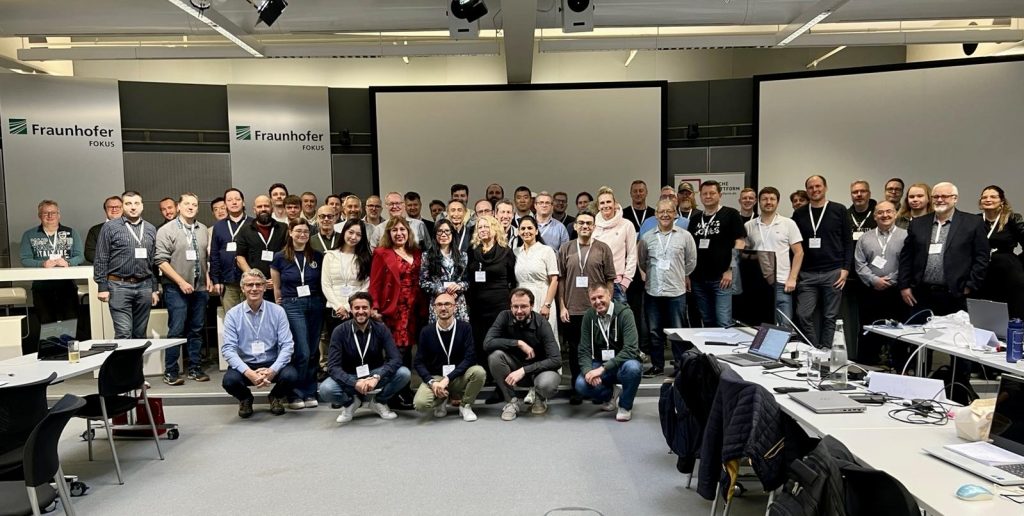 Record participation at the 16th HbbTV Plugfest in Berlin The 16th HbbTV Plugfest in Berlin saw record participation, with over 30 companies and 70 experts completing around 200 tests. Covering DASH, UHD HDR, Next-Generation Audio, DRM, DVB-I and accessibility features, the event showcased the growing strength of HbbTV’s global developer community and commitment to interoperability. Webinar announcement: HbbTV in MENA The MENA region is rapidly evolving for connected TV and streaming. Rising smart TV adoption and HbbTV-based solutions are creating new ways to engage viewers and monetise content. Our next HbbTV webinar on Wednesday, 15 October, 10:00-11:00 CEST, explores the latest market dynamics and opportunities in the region.
  HbbTV in action: Best practice case studies from across Europe Broadcasters across Europe are using HbbTV to power new experiences, from restart TV and addressable advertising to accessibility and audience measurement. Explore some of the most innovative deployments showing how HbbTV is shaping the future of television. HbbTV unveils jury for HbbTV Awards 2025 The HbbTV Association has announced the jury for the HbbTV Awards 2025. A distinguished panel of experts from across the broadcast and connected TV industry who will evaluate entries showcasing innovation, creativity, and excellence in HbbTV-based services. Registration open for the 13th HbbTV Symposium and Awards in Istanbul The HbbTV Association is delighted to invite delegates, speakers and sponsors to the 13th HbbTV Symposium and Awards, taking place on 12–13 November 2025 in Istanbul, Turkey. This year’s Symposium will focus on monetisation opportunities with HbbTV, including addressable advertising, and on strategies to expand business in high-growth markets across MENA, Arab and Asian countries. HbbTV Awards 2025 open for entries The HbbTV Association, is pleased to invite entries for this year’s HbbTV Awards. The contest will take place as part of the 13th HbbTV Symposium and Awards on 12-13 November in Istanbul, jointly hosted by the HbbTV Association and TVekstra. The HbbTV Awards will be held for the eighth time, showcasing and celebrating best practice and excellence in the HbbTV community. Test Suite 2025-2 released with DRM and local test cases he HbbTV Association has released version 2025-2 of the HbbTV Conformance Test Suite. This latest update introduces significant enhancements, with a focus on Digital Rights Management (DRM) and the inclusion of country-specific test packages.
 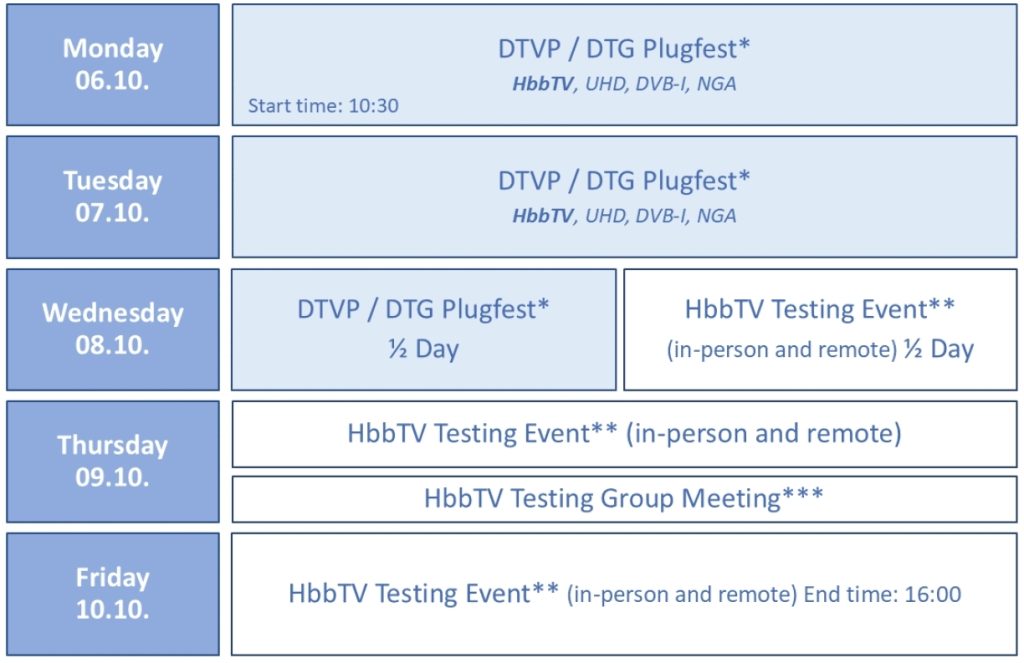 Plugfest announcement: Berlin October 2025 Deutsche TV-Plattform (DTVP) is continuing its successful Plugfest series in cooperation with Digital TV Group (DTG) UK and the HbbTV Association in 2025. They would like to invite relevant participants to the 16th edition, which will take place from 6 to 8 October in Berlin at Fraunhofer FOKUS.
 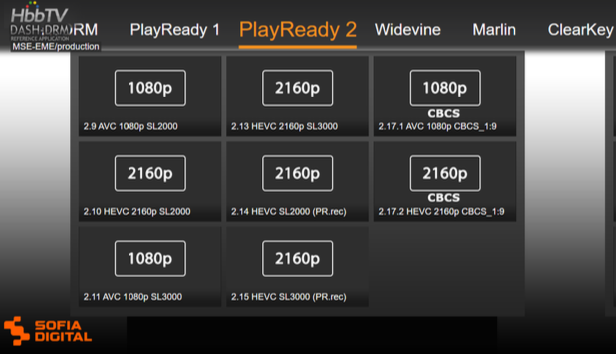 HbbTV Reference Applications: Enhancing interoperability and conformance across the ecosystem In a recent HbbTV webinar, leading voices from across the connected TV ecosystem gathered to explore the role of reference applications in supporting conformance, interoperability, and robust application development. HbbTV enables secure content delivery with new DRM specification The specification marks a significant step forward in enabling widespread secure delivery of premium content via HbbTV-based services. The new specification formalises the use of DRM in HbbTV services, especially for applications approaching the complexity and content protection demands of Video-on-Demand (VOD) platforms.
 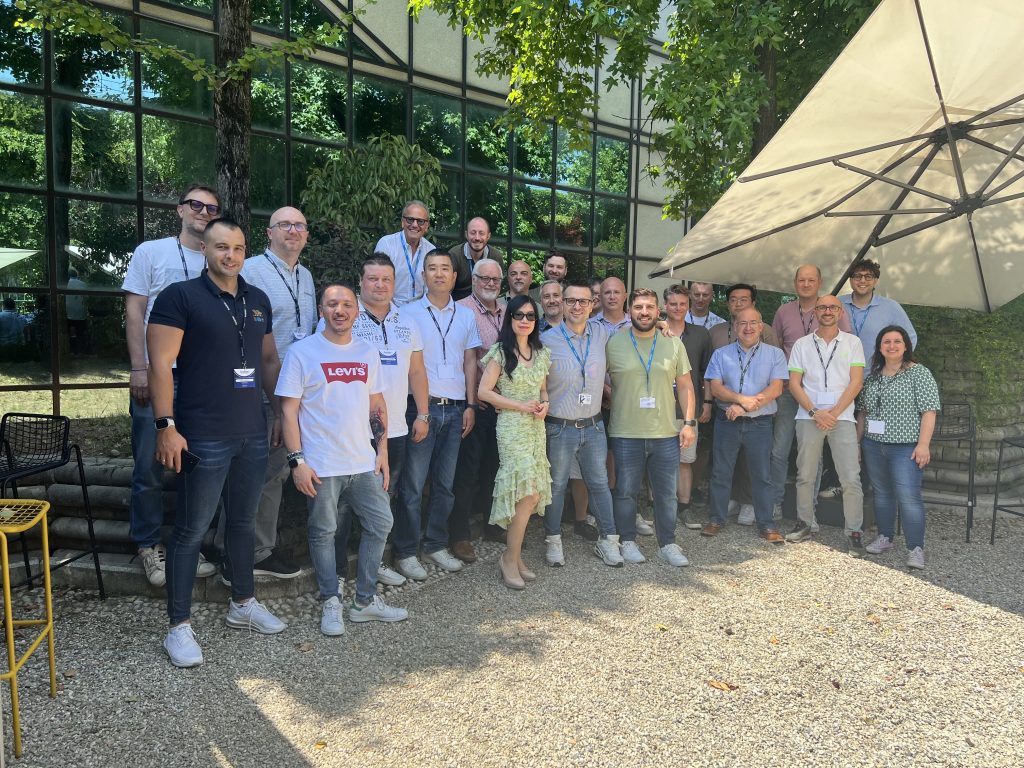 Milan plugfest 2025 report Report on HbbTV Plugfest & Testing Event hosted by Kineton in collaboration with the HbbTV Association at Kineton Offices in Milan from June 23th to 27th this year. HbbTV opens call for speakers for HbbTV Symposium 2025 The HbbTV Association has announced the Call for Speakers for the 13th HbbTV Symposium and Awards 2025. Webinar announcement: Reference Test Applications explained The HbbTV Association’s next webinar, on 1 July 2025, 10:00-11:00 CEST, will review some of the most recent approaches taken by platform operators, test services providers and media services companies to create reference test applications and test tools which build on top of HbbTV, DASH and PlayReady. DVB-I UI Competition: A new horizon for HbbTV developers The DVB Project has launched a global competition to redefine how audiences discover and interact with television services over the internet. If you’re an HbbTV developer looking to showcase your skills, this is your chance to shape the future of next-generation TV interfaces and to do so in collaboration with the HbbTV developer community. Strategies to reduce the carbon footprint across the value chain The HbbTV Association’s “Sustainability in Streaming” webinar emphasized the environmental impact of video streaming and industry efforts to measure and reduce energy consumption across the delivery chain, featuring insights from major stakeholders.
  Exploring the Role of HbbTV in the DVB-I Environment As digital broadcasting evolves, the DVB-I standard is bridging traditional TV with internet-based networks, offering a familiar linear experience over IP. A critical aspect of this shift is the integration with HbbTV, which enhances broadcast services with interactive features. This synergy presents both opportunities and challenges for broadcasters, shaping the next generation of TV experiences.
  The potential of WebAssembly in HbbTV WebAssembly (WASM) is a crucial technology in contemporary web development, enhancing the performance, security, and versatility of web applications. With the advent of HbbTV 2.0.5, this technology is poised to significantly transform interactive television. HbbTV Association joins ETSI as a member The HbbTV Association is pleased to announce it has been admitted as a full member at ETSI, one of the three official organisations in the European standardisation system.
  Plugfest announcement: Milan June 2025 Kineton is delighted to announce the second International Plugfest planned for this year in cooperation with the HbbTV Association. The Kineton Plugfest will take place from Monday, June 23, to Wednesday, June 25, at the Kineton offices in Milan, Italy. HbbTV Conformance Test Suite 2025-1 released The HbbTV Association has announced the release of version 2025-1 of the HbbTV Conformance Test Suite. Webinar announcement: Sustainability in streaming Our next webinar on Wednesday, 14 May, 10:00-11:00 CEST will explore how industry standards such as HbbTV, DVB-I, and DASH contribute to sustainability in streaming.
  HbbTV reaches 100 million homes in Europe The HbbTV standard has reached a significant milestone in 2025 with over 100 million households in Europe now having at least one TV set supporting the technology. This was announced today by the HbbTV Association, based on market estimates by research company Dataxis.
  DVB World 2025: The future of HbbTV and DVB-I in the media landscape The DVB World 2025 conference, brought together key stakeholders from the broadcasting and media industry to discuss the evolving landscape of television and streaming. Among the major topics of discussion were the DVB-I and HbbTV standards.
  HbbTV: The hidden engine powering the future of TV advertising The annual Connected TV World Summit in London has long been a meeting ground to discuss the future of an industry that is constantly evolving. At the 2025 edition of the summit, it has become clear that HbbTV is a transformational force in the world of advertising and audience engagement.
 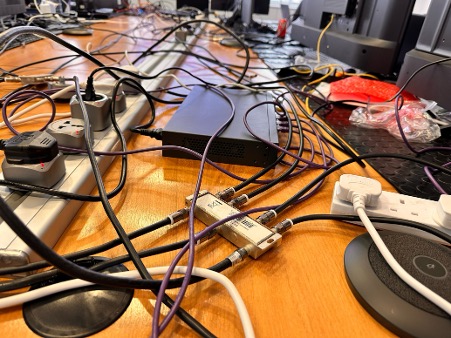 HbbTV interoperability plugfests: A developers perspective Three times a year, the HbbTV Association supports industry interoperability ‘plugfests’. This article provides an overview of a HbbTV plugfest from a developers’s perspective.
  London plugfest 2025: a week of collaboration Last month, DTG and Deutsche TV-Plattform (DTVP) welcomed more than 60 participants from 30 leading companies to our annual joint international Plugfest – a key technical gathering focused on testing, collaboration, and innovation.
  Date announcement: HbbTV Symposium and Awards 2025 The 13th HbbTV Symposium and Awards will take place on 12th-13th November 2025 in Istanbul, Turkey. The annual key summit of the connected TV industry will be co-hosted with TVekstra, a leading provider of addressable advertising solutions for broadcasters and advertisers. Webinar announcement: Web Assembly and HbbTV The next HbbTV webinar on Wednesday 12 March 2025, explores the integration of Web Assembly (WASM) with HbbTV, a groundbreaking feature, scheduled to be part of the upcoming HbbTV 2.0.5 specification. Update on HbbTV specifications and related activities To keep aligned with industry needs and web technology trends, the HbbTV specification continues to evolve. This article is a summary of the recent and upcoming advancements in HbbTV specifications and related activities. Submissions open for updates to the HbbTV specs The HbbTV Requirements Group runs a requirements capture cycle for HbbTV approximately once a year in order to consider potential updates to HbbTV specifications. Dates announced for HbbTV plugfests and testing events in 2025 The HbbTV Association has announced the dates for the HbbTV Interoperability Plugfests and Testing Events planned in 2025. Interested parties should “save the date” Winners of HbbTV Awards 2024 announced The the winners of the HbbTV Awards 2024 have been unveiled, showcasing and celebrating excellence in the HbbTV community. The winners of the HbbTV Awards
  HbbTV and Service List Registry introduce new facility to enable online application discovery The HbbTV Association has appointed the Service List Registry to run the registry platform enabling HbbTV Application Discovery over Broadband. The multi-year agreement follows
  Google releases HbbTV sample app for linear addressable advertising A new HbbTV sample application showcasing linear addressable TV capabilities has been released by Google, providing developers with a ready-to-use framework for building advanced advertising
 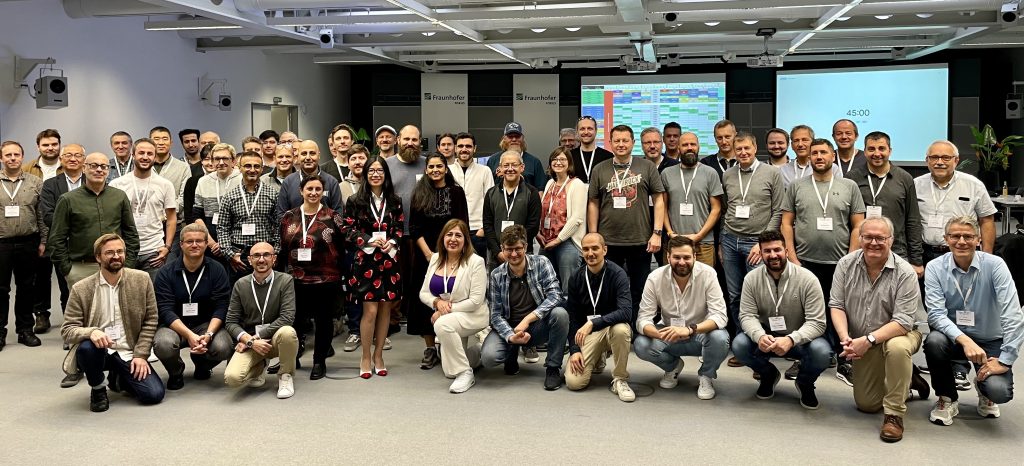 HbbTV plugfest and testing event Berlin 2024 report The 15th Deutsche TV-Plattform (DTVP) & Digital Television Group (DTG) Plugfest in cooperation with the HbbTV Association successfully took place from 7th to 9th HbbTV interoperability events 2025 invitation to submit proposals In light of the success of this year’s three Interoperability and Test Events, held in London at the DTG premises in February, at the Kineton premises in Milan in
 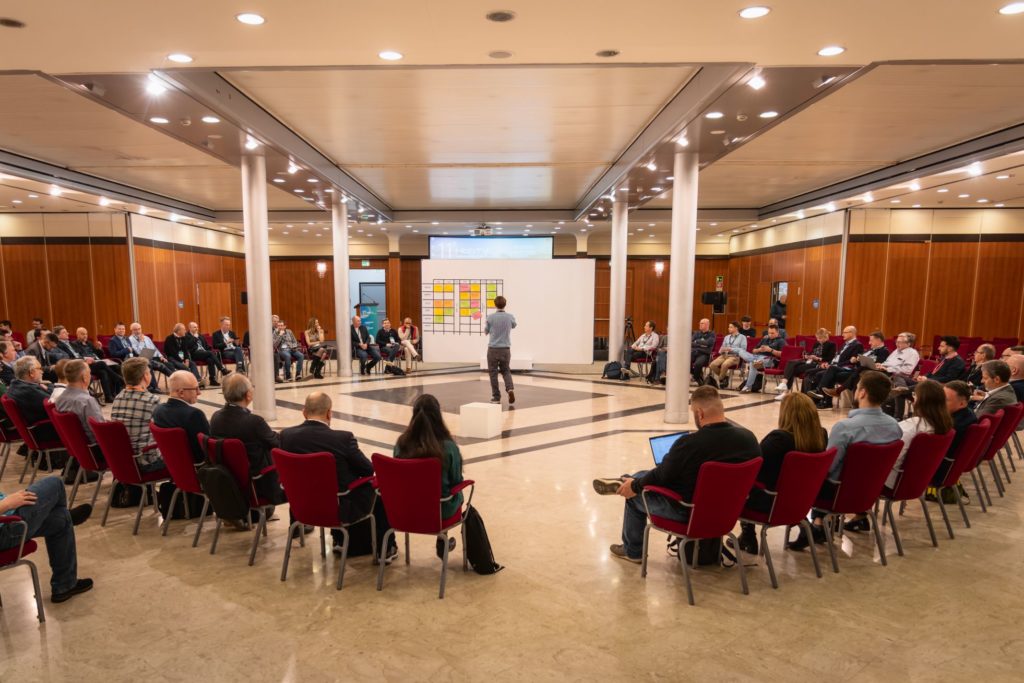 Contribute to the unconference day at the London Symposium We are happy about the successful introduction of the unconference format at the HbbTV Symposium and Awards 2023 and the positive feedback we received from delegates. Invitation to HbbTV webinar: addressable advertising via HbbTV The rapidly evolving world of addressable advertising is set to take center stage in an upcoming webinar on October 1, 2024.
  HbbTV Developer Portal progress Back in June 2024 I took on the task of enhancing the HbbTV developer programme. My overall mission was to foster innovation with HbbTV through growing a vibrant developer community. A key activity for achieving this was to update and evolve the HbbTV Developer Portal, making sure it supports both novice and expert developers.
  HbbTV Awards 2024 open for entries Geneva, 29 August 2024 – The HbbTV Association, a global initiative dedicated to providing open standards for the delivery of advanced interactive TV services through
  HbbTV releases version 2024-2 of the HbbTV Conformance Test Suite New test Suite offers significantly extended coverage to implementers. Austria to measure TV ratings via HbbTV The AGTT, which measures TV and video usage in Austria, will upgrade its system with HbbTV-based data collection from 1 September 2024. What is HbbTV? This post has been deprecated and has been replaced by a chapter in the developer guide here.
 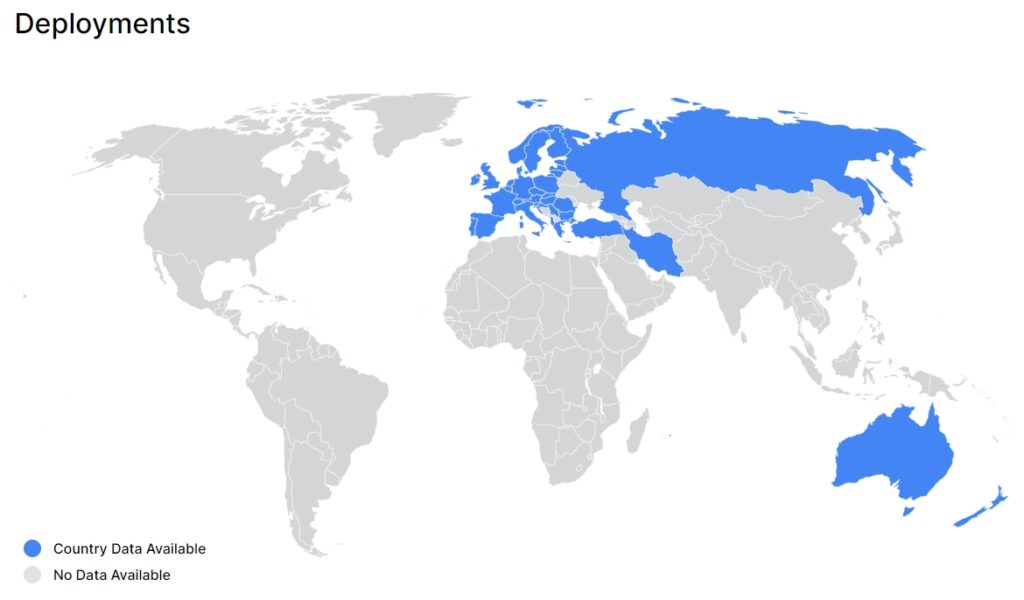 HbbTV deployments overview updated with latest market figures We are happy to announce that we have updated the HbbTV deployments section of the HbbTV website with the latest figures from key markets around the
  15th DTVP & DTG Plugfest and HbbTV Testing Event in Berlin Deutsche TV-Plattform is continuing its successful Plugfest series in cooperation with DTG UK in 2024. The 15th edition will take place from 7-11 October in Berlin at Fraunhofer FOKUS. HbbTV versions When developing an HbbTV application you need to know which versions of HbbTV you application is going to support.
 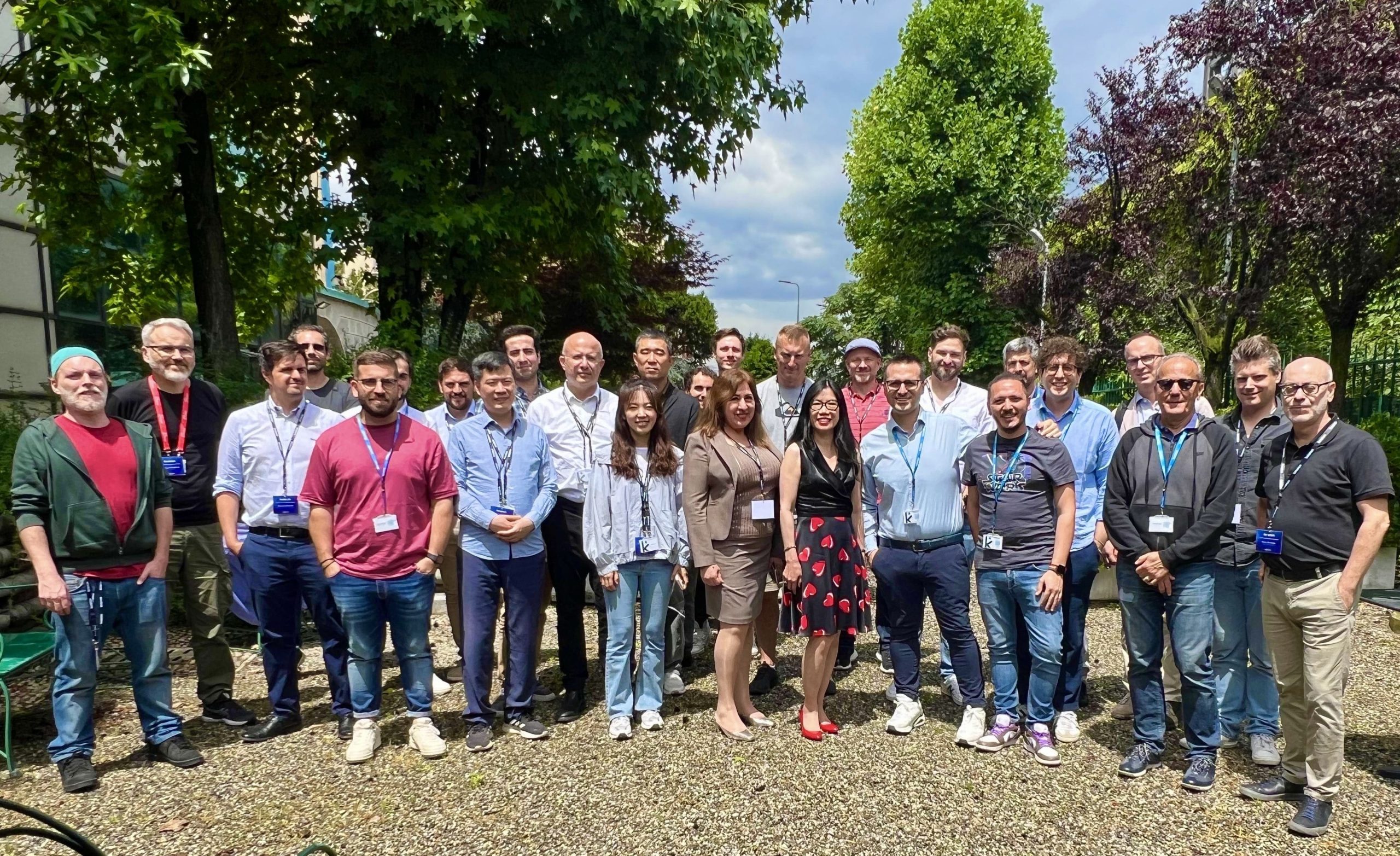 HbbTV-Kineton Plugfest 2024 Report The HbbTV-Kineton Plugfest and HbbTV Testing Event in Milan, Italy, are over. Thank you very much to all attendees! They provided good feedback and took advantage Help us enhance the HbbTV Developer Portal At the HbbTV Association, our mission is to foster innovation through a vibrarnt developer community. To ensure HbbTV remains at the forefront of effective, HbbTV opens HbbTV Zoo Directory We are excited to introduce the HbbTV Zoo Directory, a groundbreaking project designed to benefit our community. This comprehensive listing of market resources, contributed voluntarily, provides HbbTV application developers with essential knowledge and easy access to HbbTV device zoo resources worldwide, both remotely and in person.
  Kineton International Plugfest 2024 Announced Kineton is delighted to announce the second International Plugfest planned for this year in cooperation with the HbbTV Association. This week-long event will include the HbbTV Testing Event. HbbTV releases version 2024-1 of the Conformance Test Suite Geneva, 4 April 2024 – The HbbTV Association, a global initiative dedicated to providing open standards for the delivery of advanced interactive TV services
 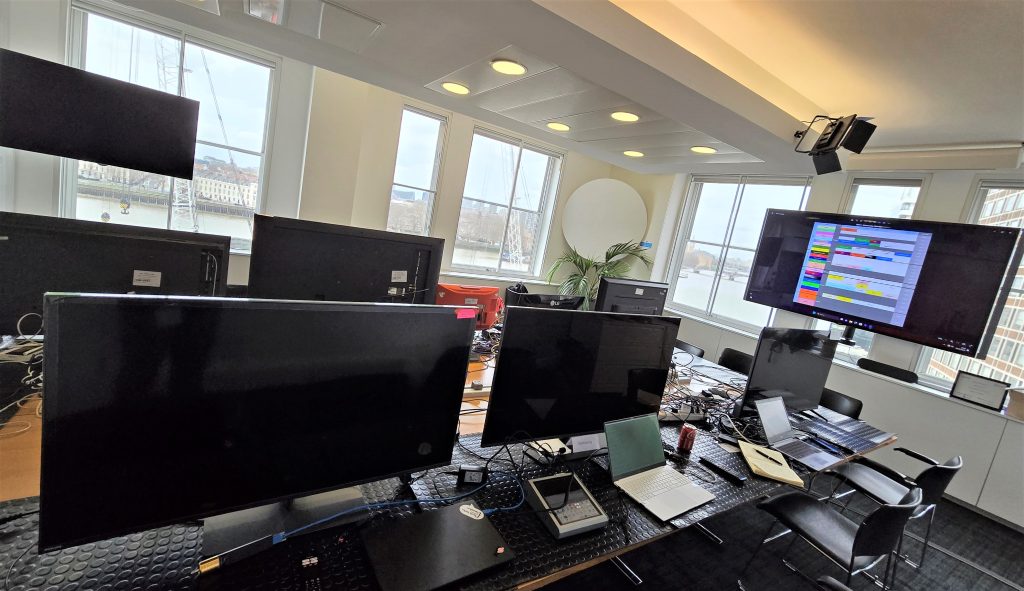 HbbTV Plugfest and Testing Event London 2024 Report This year’s first International Plugfest and HbbTV Testing Event, co-organised by the HbbTV Association, Digital TV Group (DTG) and Deutsche TV-Plattform (DTVP), took place
 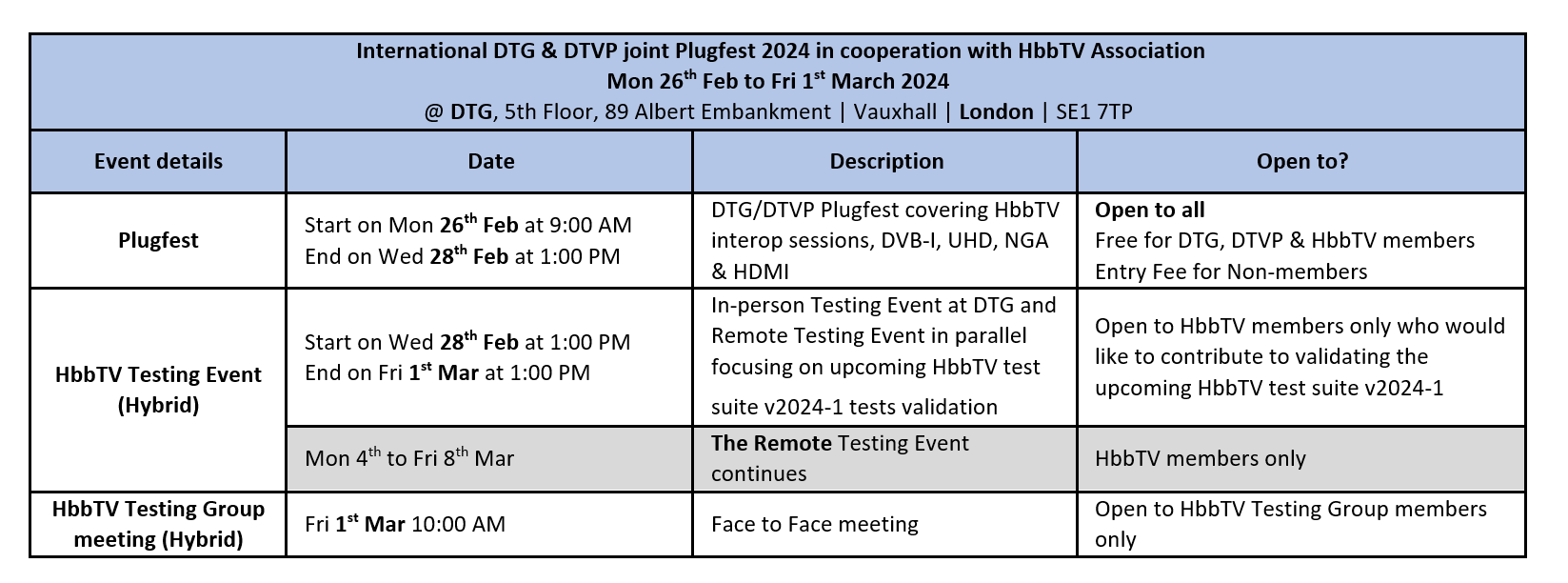 DTG & DTVP International Plugfest 2024 Announced The Digital TV Group (DTG) and Deutsche TV-Plattform (DTVP) are delighted to announce their joint International Plugfest 2024 in cooperation with the HbbTV Association. This week-long Save the date: HbbTV Plugfests and Testing Events 2024 The HbbTV Association wishes to announce the following calendar for HbbTV Interoperability Plugfests and Testing Events planned in 2024, so that interested parties can Improved conformance tool ensures interoperability for DASH delivery A freely available tool that validates the conformance of DASH content to relevant media specifications has been improved thanks to a collaboration between five
  HbbTV updates Operator Application specification Geneva, November 24, 2023 – The HbbTV Association is pleased to announce the release of an updated version of the HbbTV Operator Application specification.
 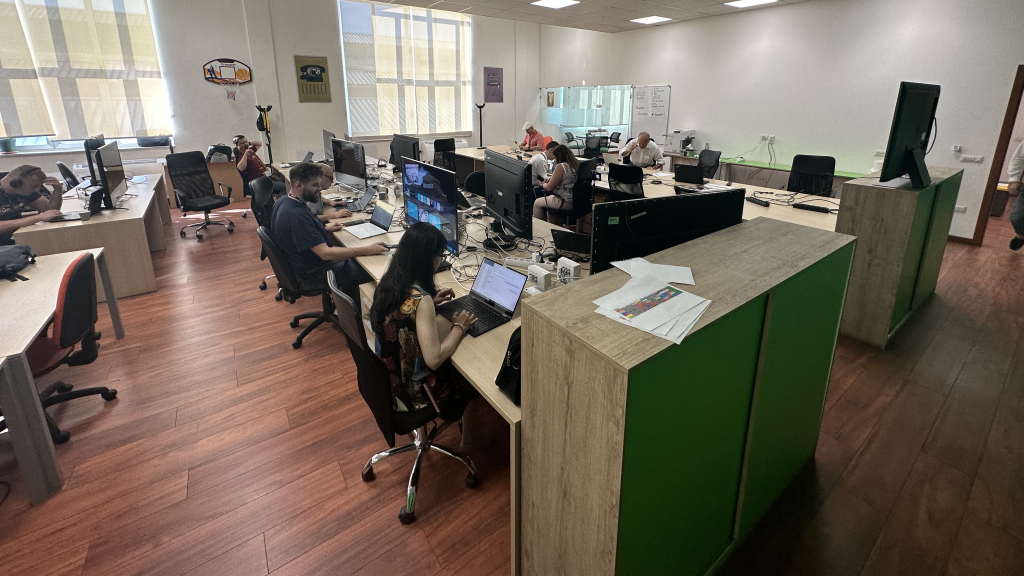 HbbTV-Kineton Plugfest 2023 Report The HbbTV-Kineton Plugfest in October 2023 provided developers with a wide range of opportunities for interoperability testing of HbbTV technologies for two and a 2023 Kineton-HbbTV Plugfest in Naples, October 2-6 Geneva, September 15, 2023 – The third 2023 HbbTV Plugfest in Naples, Italy, at the Kineton headquarter, is aimed at device manufacturers, broadcasters, technology HbbTV expands Developer Portal Geneva, July 28, 2023 – The HbbTV Association has updated its Developer Portal with two new sections: The blog and FAQ provide additional insights HbbTV updates Test Suite and DASH DRM Reference Application Geneva, April 24, 2023 – The HbbTV Association is pleased to announce the release of updated versions of the HbbTV Test Suite and the HbbTV releases new version of core specification Geneva, March 14, 2023 – The HbbTV Association is pleased to announce the publication of version 2.0.4 of its core specification. The three main Invitation for developers to take part in a survey Geneva, September 28, 2022 Dear developers in the HbbTV community, The HbbTV Marketing & Education Working Group (MEWG) is seeking feedback on the current state of HbbTV releases Version 2022-2 of the HbbTV Conformance Test Suite Geneva, August 25, 2022 – The HbbTV Association is pleased to announce the release of a new version of the HbbTV Conformance Test Suite. The HbbTV expands DASH DRM Reference Application with multiperiod DASH and SL3000 tests Geneva, June 20, 2022 – The HbbTV Association is pleased to announce a significant addition to its DASH DRM Reference Application – multiperiod DASH (as HbbTV Developer Portal grows with first community contribution Geneva, May 31, 2022 – We welcome the strong interest and active community involvement in the new HbbTV Developer Portal. Since its launch in March HbbTV releases Version 2022-1 of the HbbTV Conformance Test Suite Geneva, April 6, 2022 – The HbbTV Association is pleased to announce the release of a new version of the HbbTV Conformance Test Suite. The HbbTV Association launches Developer Portal Geneva, March 18, 2022 – The HbbTV Association has launched the HbbTV Developer Portal. The free service, available at https://developer.hbbtv.org, targets software developers looking for an Hello World application This post has been deprecated and replaced with a chapter in the developer guide here.
  Interaction with the remote control A demonstration of the interaction of HbbTV applications with the remote control.
 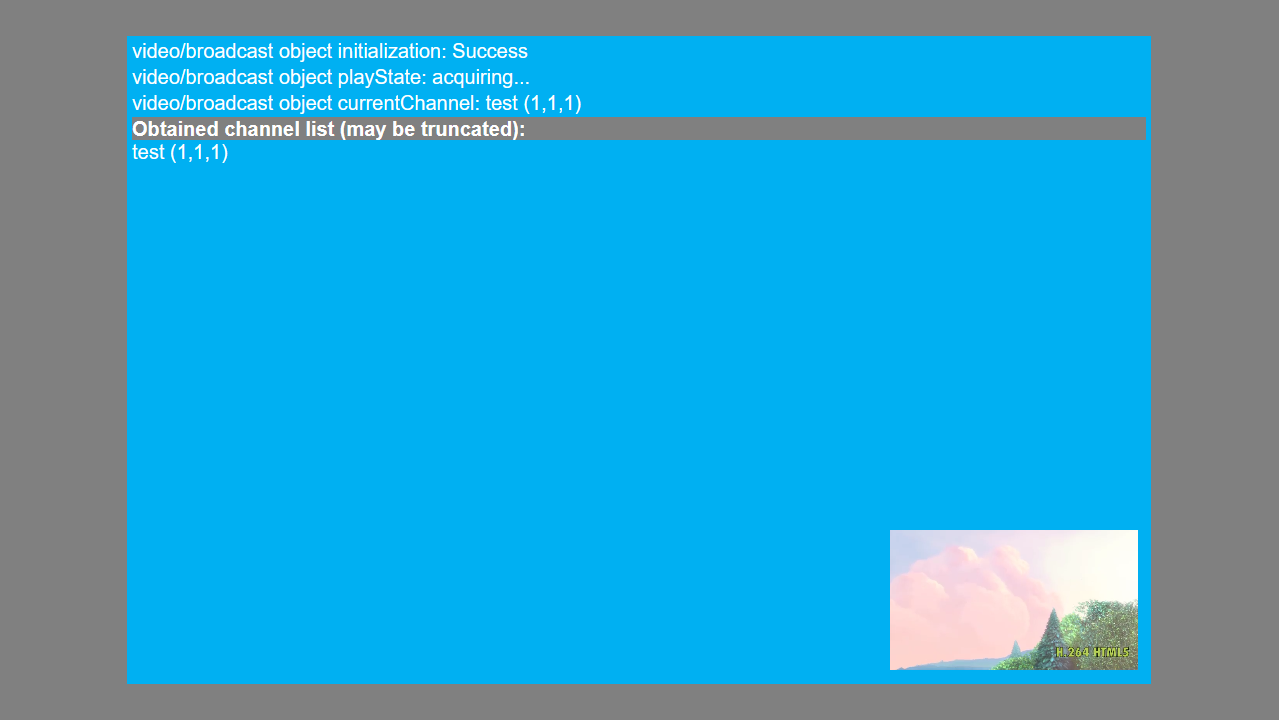 Handling the broadcast a/v object A HbbTV application demonstrating the interaction with broadcast video and audio using the video/broadcast object. HbbTV application testing and verification This post has been deprecated and has been replaced by a chapter in the developer guide here.
 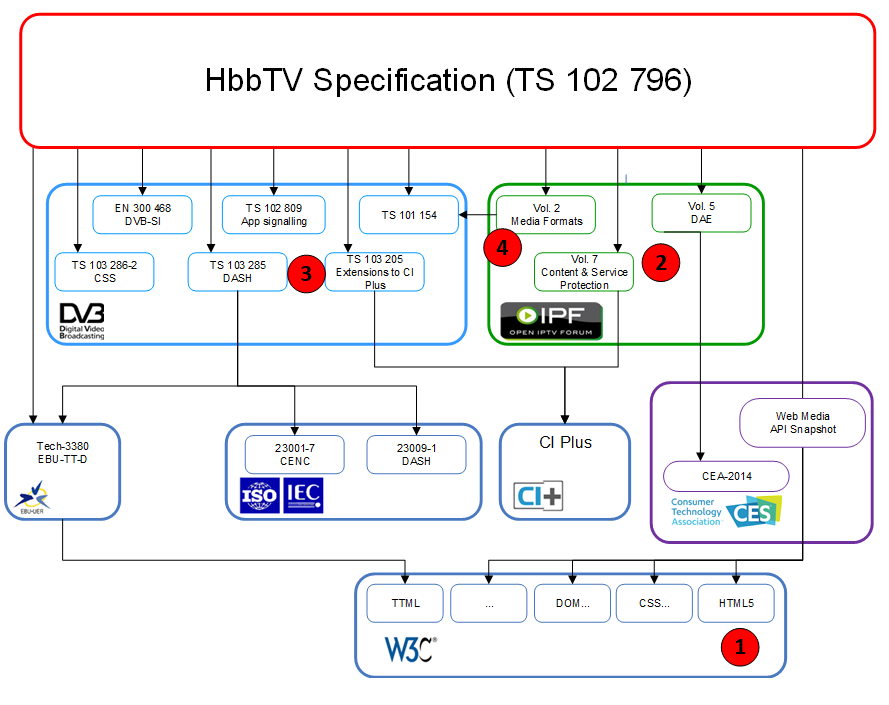 Overview about HbbTV architecture A short overview about HbbTV architecture.
 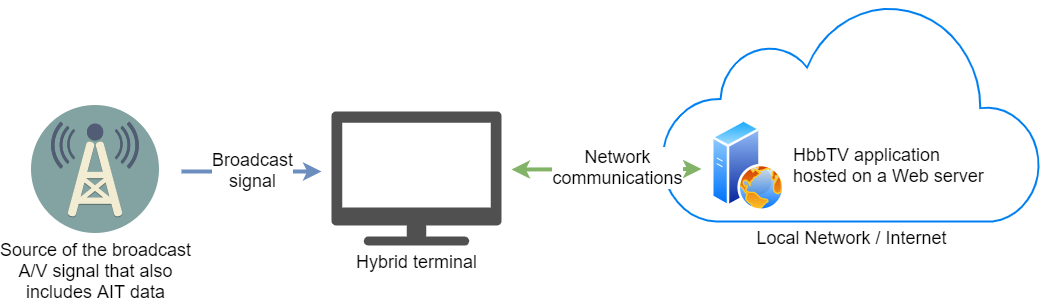 Running a HbbTV application on a hybrid terminal A practical guide for running HbbTV applications on a hybrid terminal in a lab environment.
  HbbTV releases Version 2021-2 of the HbbTV Conformance Test Suite Geneva, August 31, 2021 – The HbbTV Association is pleased to announce the publication of a new version of the HbbTV Conformance Test Suite.
  HbbTV releases Targeted Advertising solution for TV sets in set-top box markets Geneva, July 20, 2021 – The HbbTV Association is pleased to announce the publication of the second phase of its solution for Targeted Advertising
  HbbTV Releases an Updated Test Suite and a Set of Test Descriptions to Further Support Conformance of TV Receivers Geneva, May 10, 2021 – The HbbTV Association is pleased to announce the simultaneous release of the 2021-1 version of the HbbTV Conformance Test
  HbbTV Association publishes new release of the HbbTV specification Geneva, October 27, 2020 – The HbbTV Association has completed work on an update to its core specification (HbbTV 2.0.3). For the first time,
No posts match those filters.